
Inside Sumba, where Indonesia still feels untouched
Just a one-hour flight from Bali, this vast and quietly powerful island feels like stepping into another world. With a population far smaller than its size suggests, Sumba remains largely untouched, both in landscape and in spirit. Gone are the cafés and crowds. In their place, rolling savannahs, dramatic coastlines, and a way of life that has remained deeply rooted in tradition. It is raw, expansive, and strikingly different from anything you may have experienced in Bali.
A culture that runs deep
What shapes Sumba more than anything is its people. The island is home to communities that live between two belief systems: Catholicism, introduced during colonial times, and the ancestral Marapu religion, which continues to guide rituals, ceremonies, and daily life.
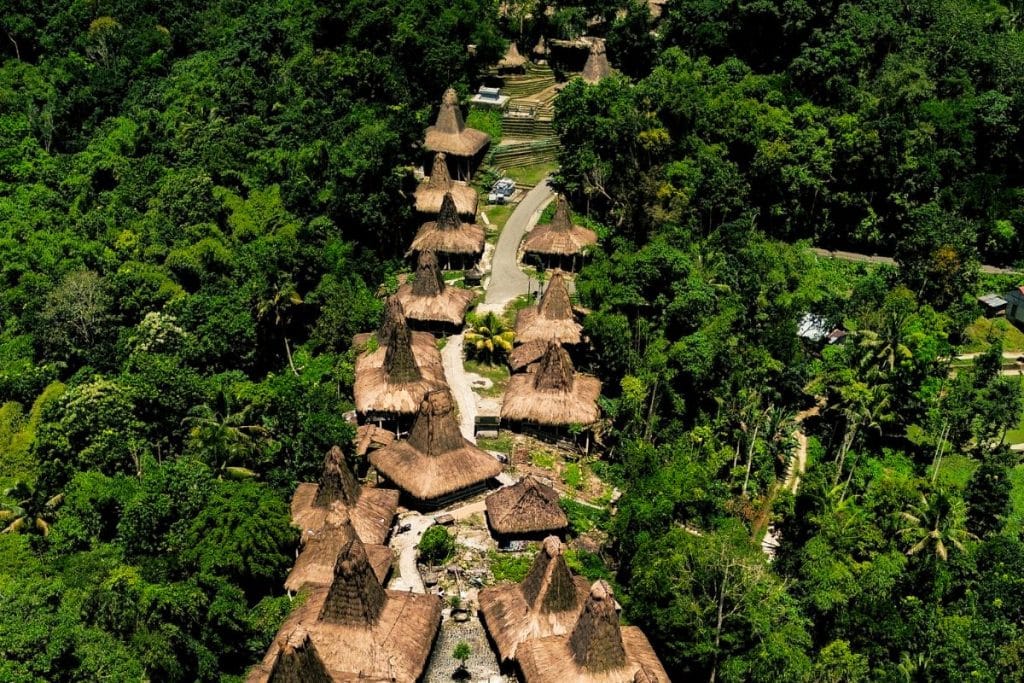
Traditional villages are at the heart of this cultural identity. Places like Ratenggaro, Praijing, and Tarung Village are among the most well-known. Here, you will notice the iconic high-roofed houses rising dramatically into the sky. These towering structures are not just architectural statements. They are symbolic, designed to connect the living with the spiritual world above.
Life in Sumba is also closely tied to the land. Buffalo, for instance, are more than livestock. They represent wealth, status, and play a central role in ceremonies, particularly funerals. Agriculture is equally essential, with vast fields shaping the rhythm of everyday life.
One of the most powerful cultural events is the Pasola, held once or twice a year depending on the region. During this dramatic ritual, horsemen ride at full speed across open fields, throwing wooden spears at one another. It is both a spiritual offering and a spectacle, deeply rooted in Marapu beliefs and tied to the agricultural calendar.
Wild beaches and endless horizons
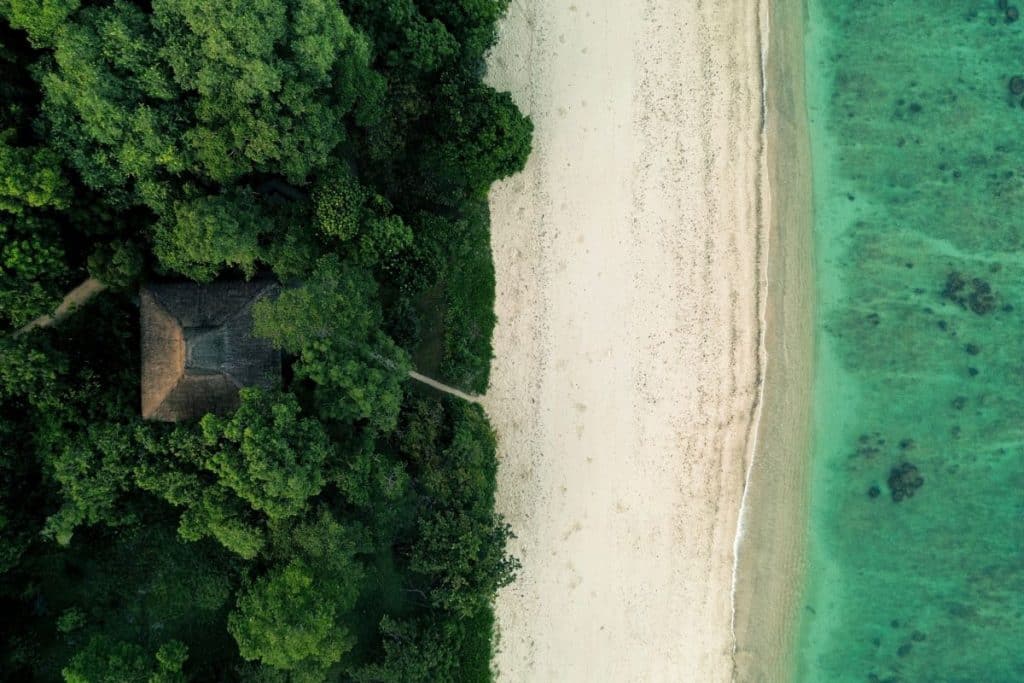
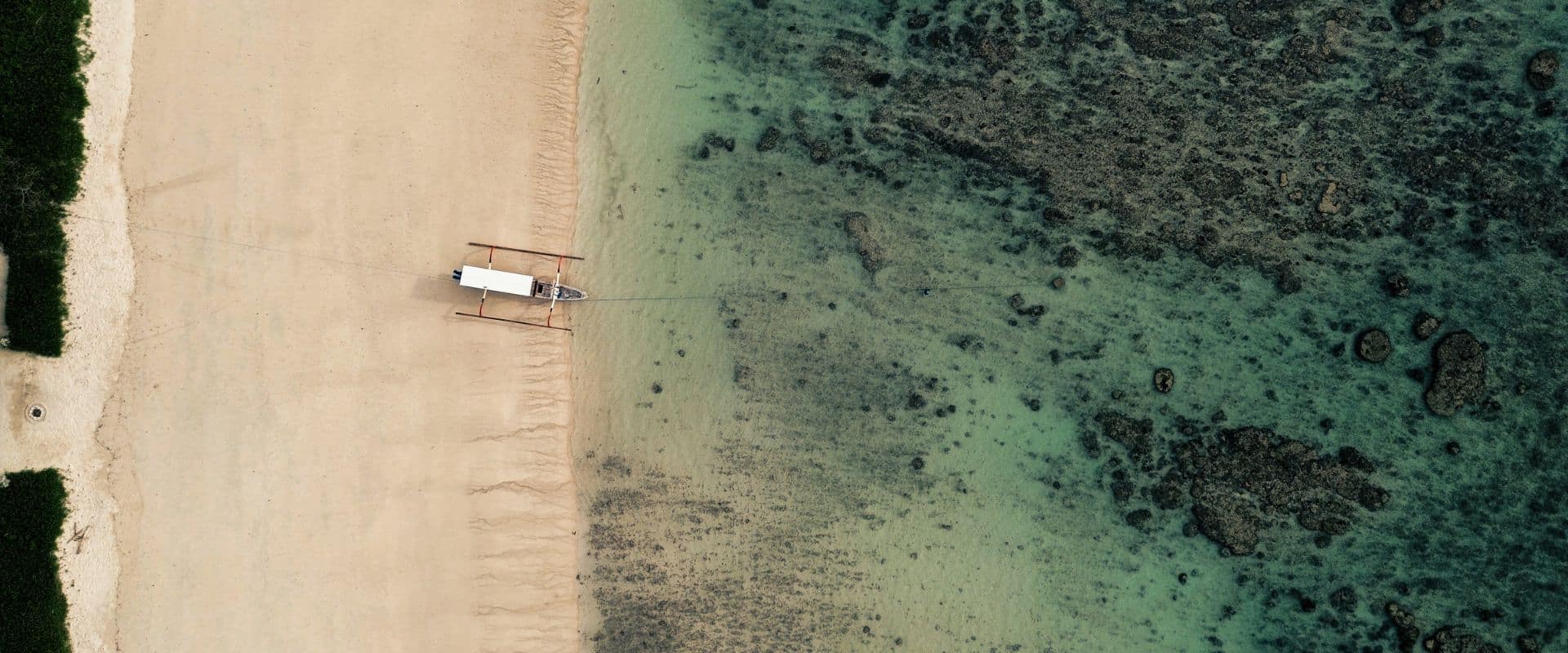
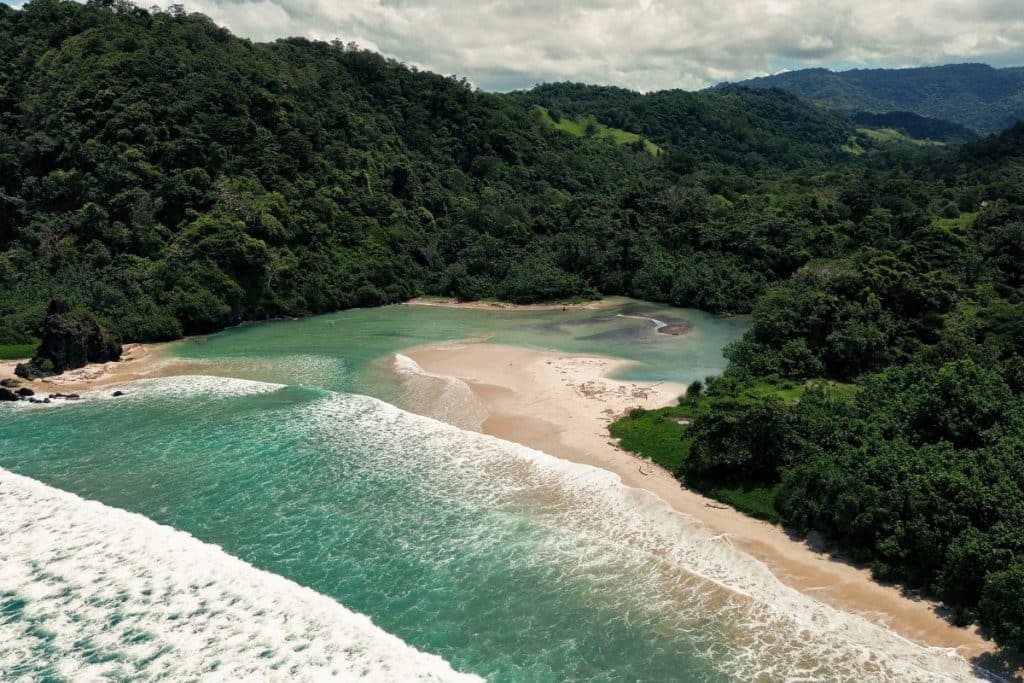
Sumba’s coastline is nothing short of breathtaking. Think untouched beaches, soft white sand, and waters shifting between deep blue and bright turquoise. There is a sense of space here that is increasingly rare.
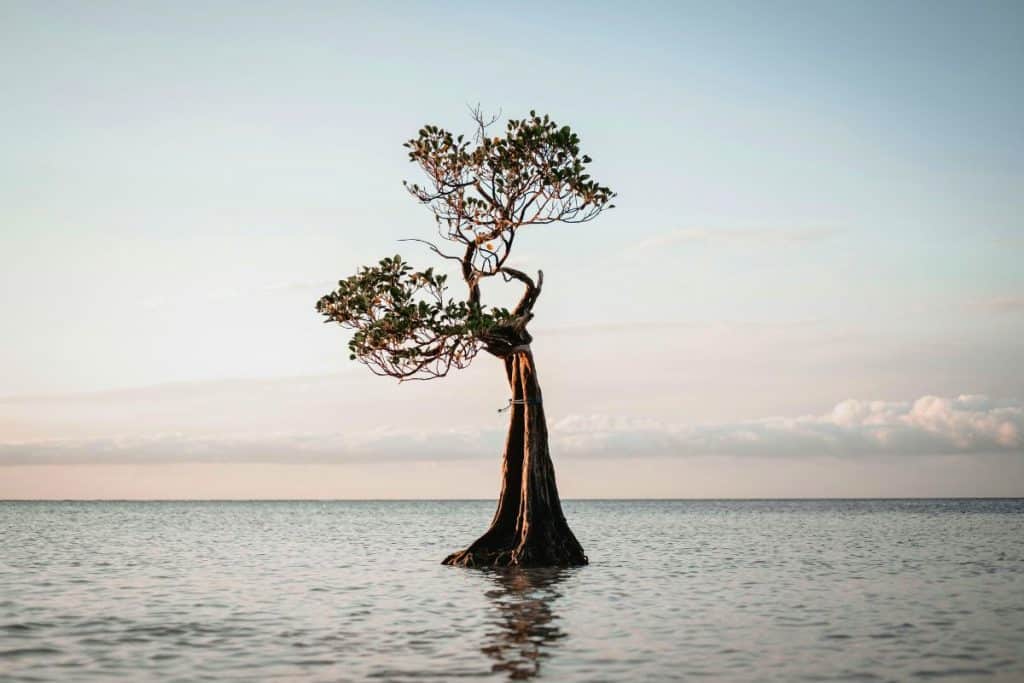
Beaches like Pantai Watuparunu and Matauki Beach are among the island’s most beautiful, offering dramatic rock formations, rolling waves, and an almost surreal emptiness. Further west, Weekuri Lagoon stands out for its crystal-clear saltwater pool, while Mandorak Beach, hidden between cliffs, feels more intimate and protected. Walakiri Beach, on the east side, is known for its iconic “dancing trees,” especially striking at sunset when the light softens the entire landscape.
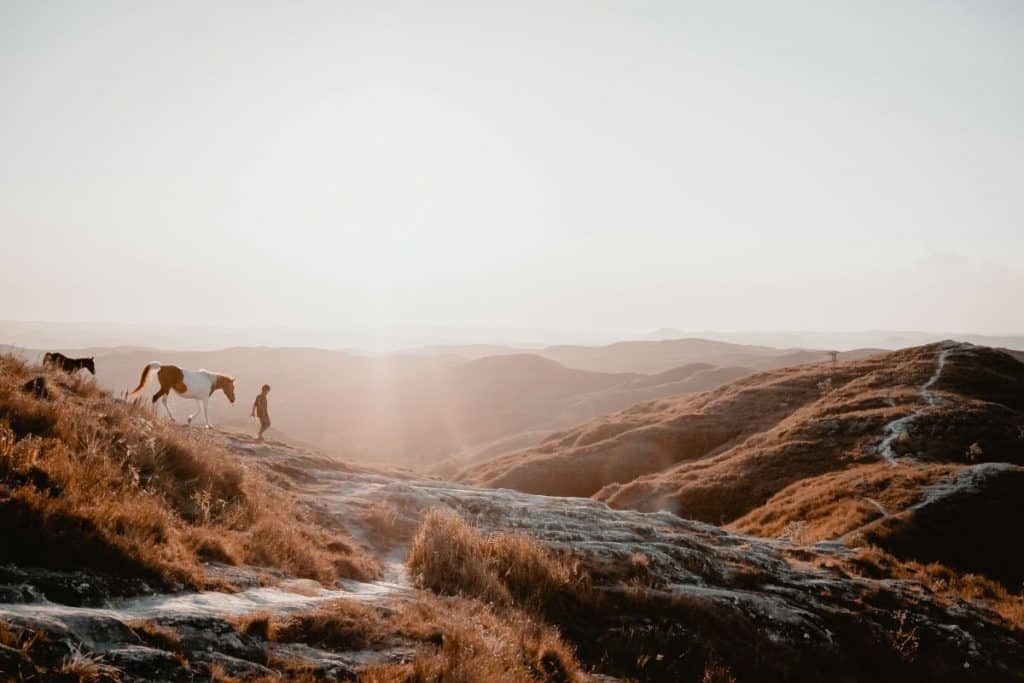
Other stretches like Pero Beach or Marosi Beach reveal a wilder side of the island, with stronger waves and vast open shores where you’ll rarely see anyone else. In some areas, especially near certain hotels, you might even come across horses roaming freely along the beach, adding to the quiet, almost timeless atmosphere.
Waterfalls, rice fields, and rolling hills
Beyond the coast, Sumba reveals another side of its beauty. Inland, the landscapes shift into lush valleys, hidden waterfalls, and layered rice fields.
Bendungan Waikelo Sawah is one of the most unique spots on the island, where clear water flows through man-made channels surrounded by vibrant greenery. Then there are waterfalls like Weekuri Lagoon nearby and Matayangu Waterfall, offering refreshing escapes tucked within nature.
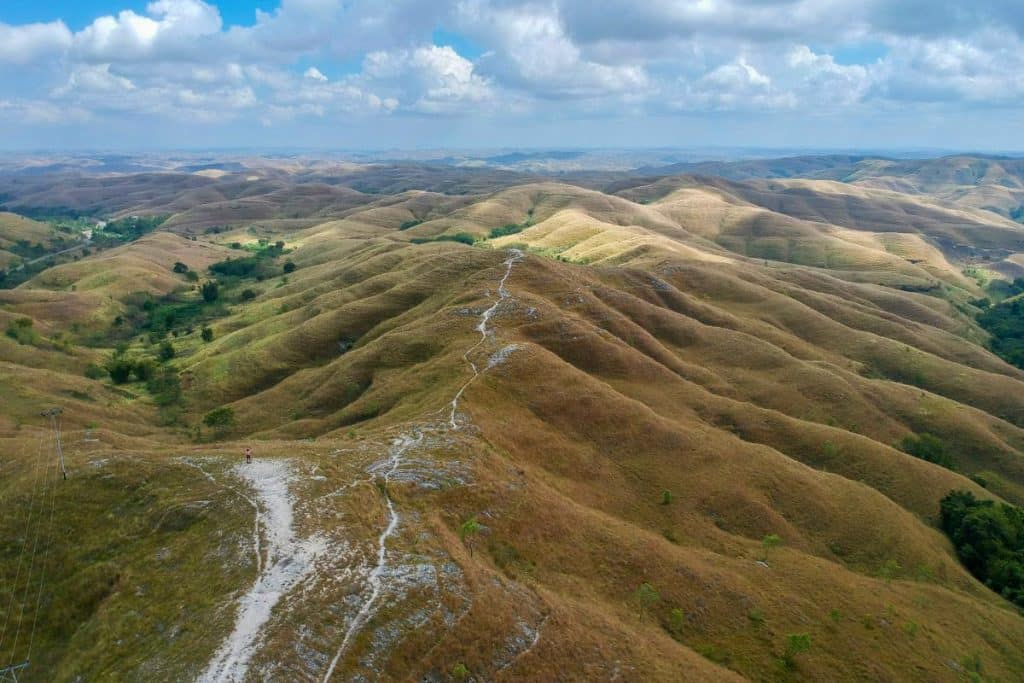
For sweeping views, the hills of Bukit Wairinding and Bukit Lendongara are unforgettable. Depending on the season, they shift from dry golden waves to vibrant green landscapes, especially at sunrise or sunset. Another lesser-known but equally stunning viewpoint is Bukit Tanarara, where the silence and scale of the island truly sink in.
The details that stay with you
Some of Sumba’s most memorable moments are found in the smallest details. The famous “dancing trees”, shaped by constant coastal winds, create poetic silhouettes against the sky. Sunsets here are slow and cinematic, often painting the landscape in soft gold and deep orange tones.
But beyond the scenery, it’s the atmosphere that lingers. Early mornings on empty roads, where you might pass a herd of buffalo or children walking to school. Spontaneous stops in local markets, where daily life unfolds in the simplest, most genuine way. Long drives across the island, where every turn reveals a different landscape, from dry savannahs to lush valleys.
Places like Weekuri Lagoon offer something entirely unique, a natural saltwater pool with crystal-clear water, perfect for a quiet swim. Nearby, Mandorak Beach feels almost hidden between cliffs, intimate and strikingly beautiful.
Another experience that defines Sumba is the presence of horses. You’ll often see them roaming freely, especially along the coast, adding to the island’s almost timeless atmosphere. In some areas, riding along the beach at sunset becomes one of those rare moments that feels both surreal and grounding.
Where to stay in Sumba
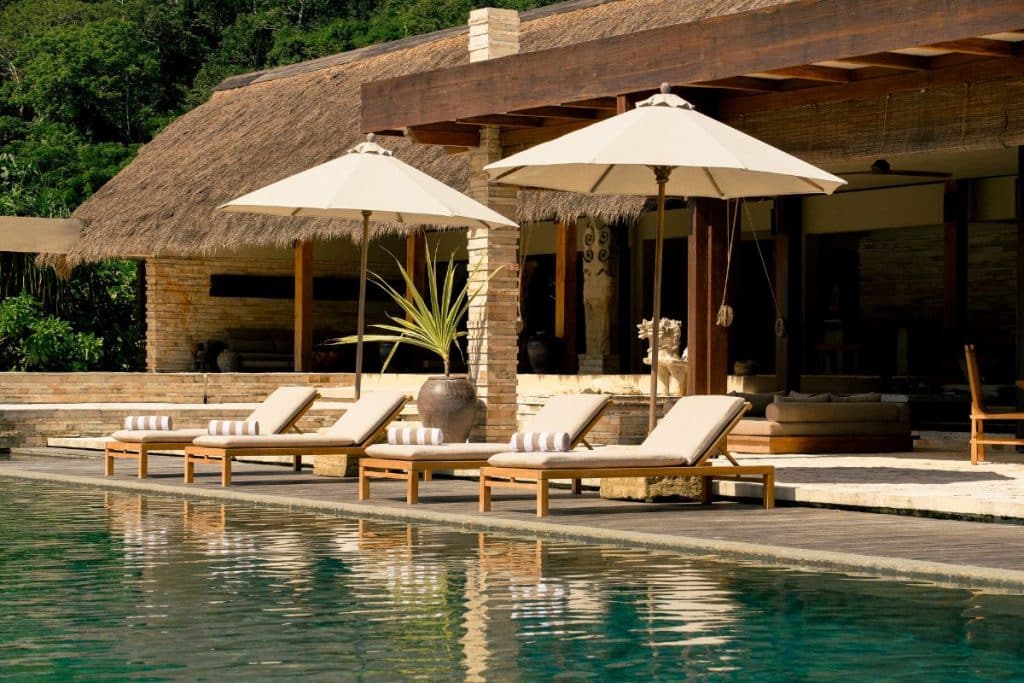
Sumba’s accommodation scene reflects its character: refined, intentional, and deeply connected to nature. On the island’s remote southwest coast, NIHI Sumba has become its most iconic address. Set along a vast stretch of untouched shoreline, it offers private villas spread across the hills, each designed with traditional Sumbanese architecture and open views over the ocean. The experience goes far beyond the setting, from horseback rides on the beach to its secluded spa in the middle of nature, all shaped around privacy, space, and a deep connection to the island.
On the western side of Sumba, in the Kodi region, Cap Karoso brings a different energy. More contemporary in its design, the property sits between a turquoise lagoon and wide open landscapes, creating a striking contrast. Its approach blends modern aesthetics with local culture, placing a strong emphasis on art, community, and food, with ingredients often sourced from its own farm. The atmosphere feels more social and creative, while still remaining anchored in the island’s raw and natural environment.
A more intimate addition is Konda Maloba, a boutique property set to open its doors soon. Smaller in scale and more understated, it focuses on simplicity, thoughtful design, and a slower pace of living. Integrated into its surroundings, it offers a quieter, more personal way to experience Sumba, where days are shaped by nature, light, and the feeling of being gently removed from everything else.
Sumba is not for everyone, and that is precisely what makes it special. It asks you to slow down, to let go of expectations, and to experience a place as it is, without trying to shape it into something familiar. There is a certain rawness to the island, not only in its landscapes but in the way life unfolds, quietly, naturally, and without interruption.
It is a place where days are guided by light and weather rather than plans, where encounters feel genuine, and where beauty is never staged. Whether it’s a remote beach, a passing moment in a village, or a sunset stretching endlessly across the hills, Sumba leaves an impression that is both subtle and lasting.
Wild, spiritual, and deeply grounding, Sumba is one of those rare destinations that doesn’t try to impress, yet stays with you long after you leave.