

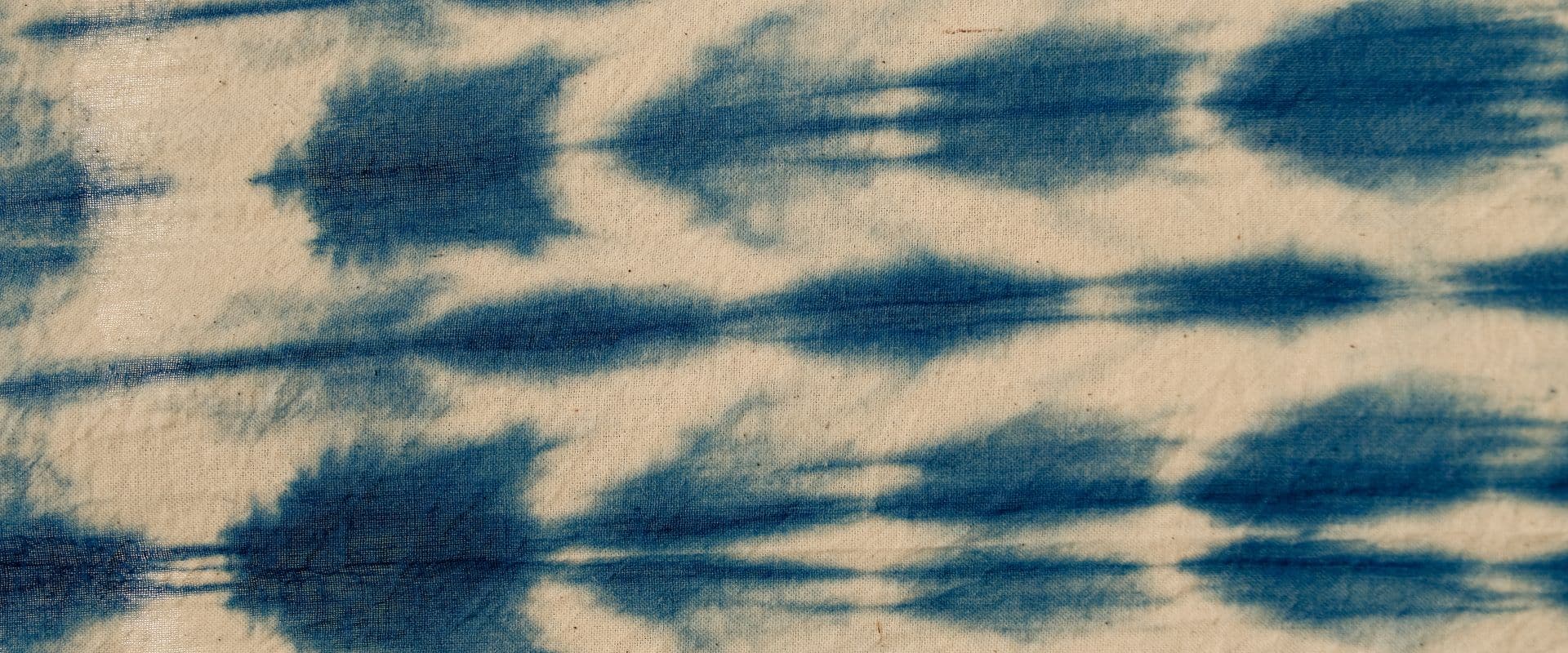
Indigo at Tian Taru: A journey into Bali’s living craft
Hidden in the lush highlands north of Ubud, Tian Taru offers a rare experience where nature, craftsmanship, and slow living come together. More than just a place to stay or visit, it is an immersive indigo plantation and studio, where guests are invited to reconnect with traditional techniques and the rhythms of the natural world. Surrounded by dense jungle, waterfalls, and cultivated forest, Tian Taru reveals a quieter, more intentional side of Bali—one shaped by patience, creativity, and deep respect for nature.
North Ubud: A different side of Bali
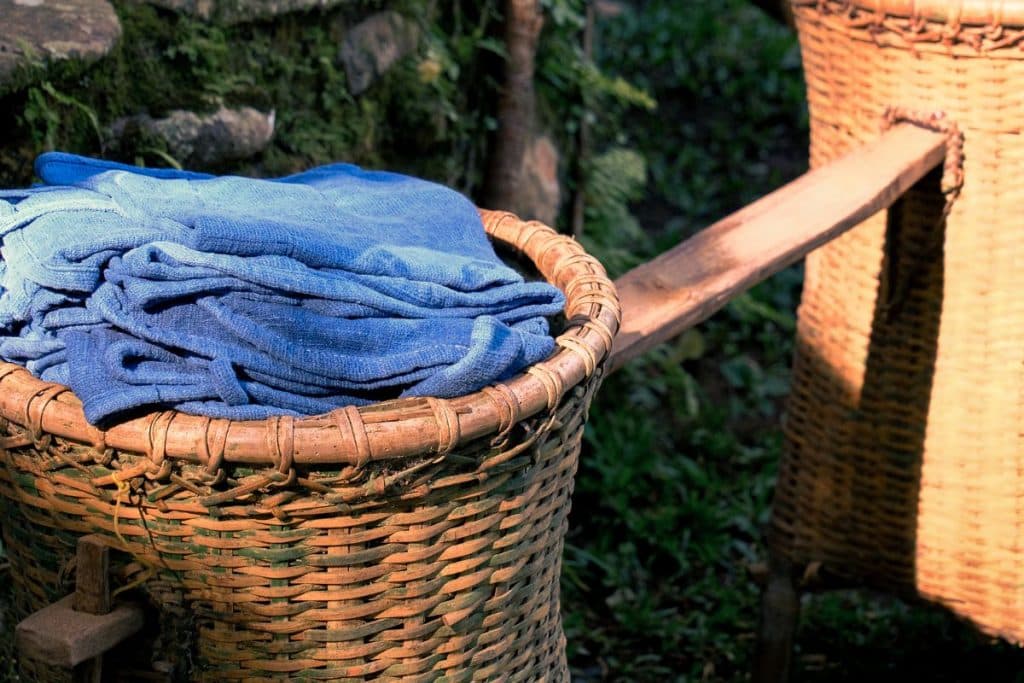
Located in Payangan, around an hour north of Ubud, Tian Taru sits at an elevation of about 700 meters, where the air is cooler and the landscape more untouched. This region feels worlds away from the busier parts of Bali. Jungle-covered valleys, misty mornings, and winding roads define the surroundings, creating an atmosphere that is both grounding and expansive. The environment is not just scenic, it plays an essential role in the experience itself.
What makes this area particularly unique is how nature remains dominant. Waterfalls feed streams that irrigate the land, and dense vegetation creates a natural ecosystem where everything feels interconnected. Coming here is less about visiting a destination and more about stepping into a slower, more authentic rhythm of Bali.
Tian Taru: The living world of indigo
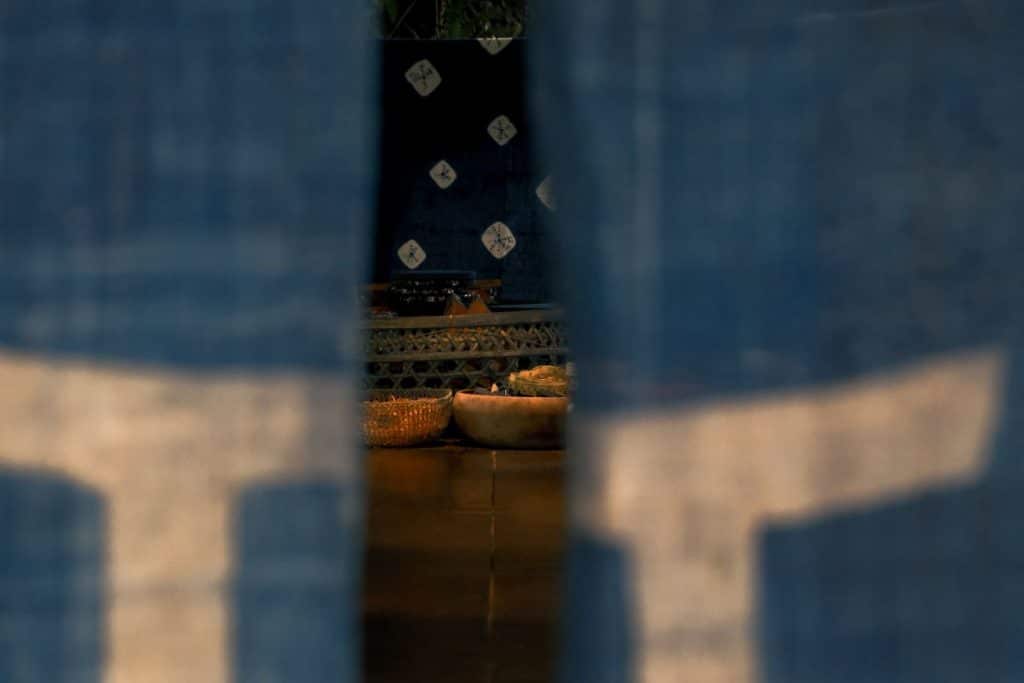
At its core, Tian Taru is an indigo plantation and natural dyeing studio, created by Ayu Purpa and Sebastian Mesdag, who transformed what was once barren land into a thriving forest ecosystem. The name itself reflects this philosophy, “Tian Taru” meaning “the tree that grows between heaven and earth.”
Over the years, the land has been carefully rewilded, with native trees planted to create the perfect microclimate for indigo to grow. Today, the plantation is fully integrated into its surroundings, supported by natural irrigation and a self-sustaining environment. This is not a commercial production space, but a living project—one that blends art, agriculture, and cultural heritage. Indigo here is not just a color, but a process rooted in history, with origins tracing back thousands of years across different continents.
Architecture & living experience
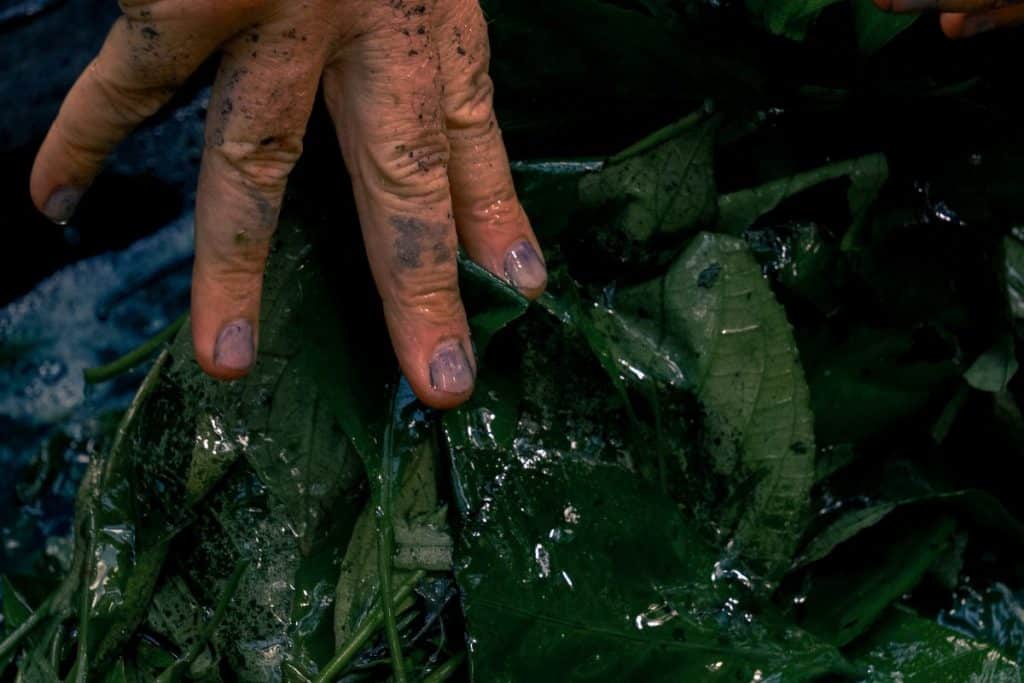
The experience at Tian Taru extends beyond the craft itself. The space is designed as a home, studio, and retreat, built using reclaimed teak and ironwood from old Javanese structures. Inspired by traditional architecture and Japanese minimalism, the buildings remain open to the surrounding landscape, allowing nature to flow through every space.
Guests stay in simple yet thoughtful accommodations, often within the same structures used for workshops—multi-purpose spaces that serve for sleeping, meditating, and working with indigo. There is a strong sense of intimacy here. Guests are welcomed into the daily life of the family, sharing meals, observing rituals, and experiencing the space as it naturally unfolds. This is not a resort experience, but something far more personal, closer to a residency than a stay.
The indigo experience & activities
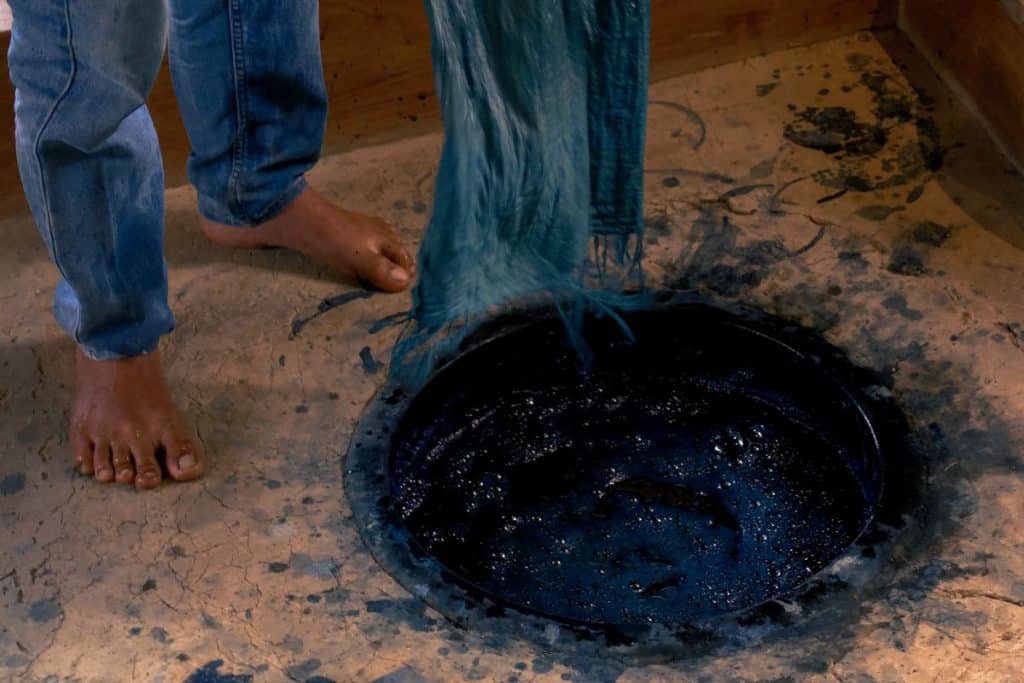
The heart of Tian Taru lies in its indigo workshops, where guests are guided through the entire process, from plant to finished textile. The experience begins with harvesting the indigo leaves, followed by extracting the dye and learning how to prepare the indigo vats using traditional methods. Each step requires time, attention, and care, nothing is rushed.
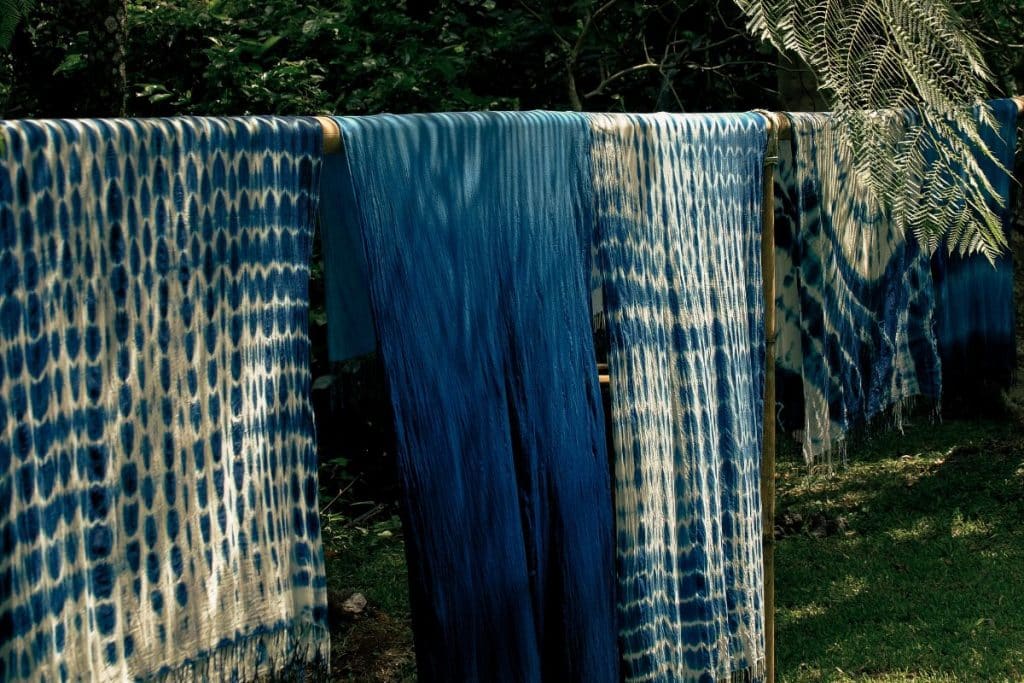
Participants are invited to dye their own textiles, often bringing personal garments to give them a new life. The transformation is almost magical: fabric emerges from the vat in green tones before oxidizing into deep blue when exposed to air.
Beyond the workshops, Tian Taru also hosts:
- Artist collaborations and residencies
- Creative exchanges with international artisans
- Small-scale handcrafted textile production
Each activity is rooted in sharing knowledge and preserving traditional techniques, with a strong emphasis on sustainability and transmission rather than commercialization.
Tian Taru is not simply a place to visit. It is a space to experience, to learn, and to slow down. Set within the untouched landscapes north of Ubud, it offers a rare glimpse into a living craft that connects nature, culture, and creativity.
Through its indigo plantations, workshops, and way of life, Tian Taru invites you to step away from the fast pace of modern travel and reconnect with something more essential. Here, the process matters as much as the result, and each moment unfolds with intention, shaped by the land, the people, and the quiet rhythm of Bali itself.