

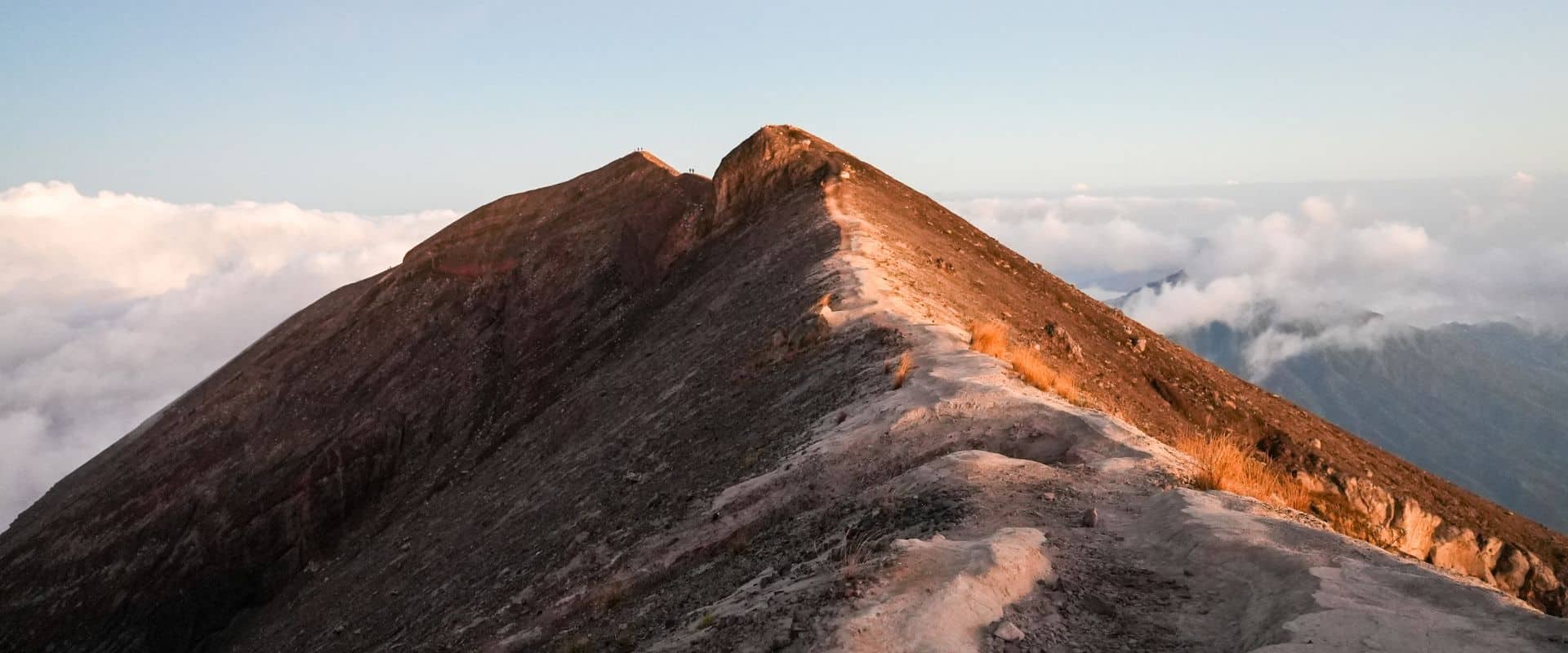
A complete travel guide to Mount Agung, Bali
Standing proudly at 3,031 meters (9,944 ft), Mount Agung is the highest volcano in Bali and one of the island’s most sacred landmarks. Visible from almost every corner of Bali on a clear day, this majestic stratovolcano dominates the landscape and is deeply connected to Balinese Hindu culture. At its foot lies the famous Pura Besakih, known as Bali’s Mother Temple, making Mount Agung both a natural wonder and a spiritual icon.
For adventurous travelers, climbing Mount Agung is considered one of the most challenging yet rewarding experiences in Bali. Unlike the more accessible Mount Batur, Agung demands good fitness, determination, and several hours of steep hiking. The reward? An unforgettable sunrise above the clouds with breathtaking views stretching across Bali, neighboring Lombok, and even the towering Mount Rinjani on clear mornings.
Whether you’re planning your first volcano hike or looking for the ultimate Bali adventure, this complete guide covers everything you need to know before climbing Mount Agung.
The Basics of Climbing Mount Agung in Bali
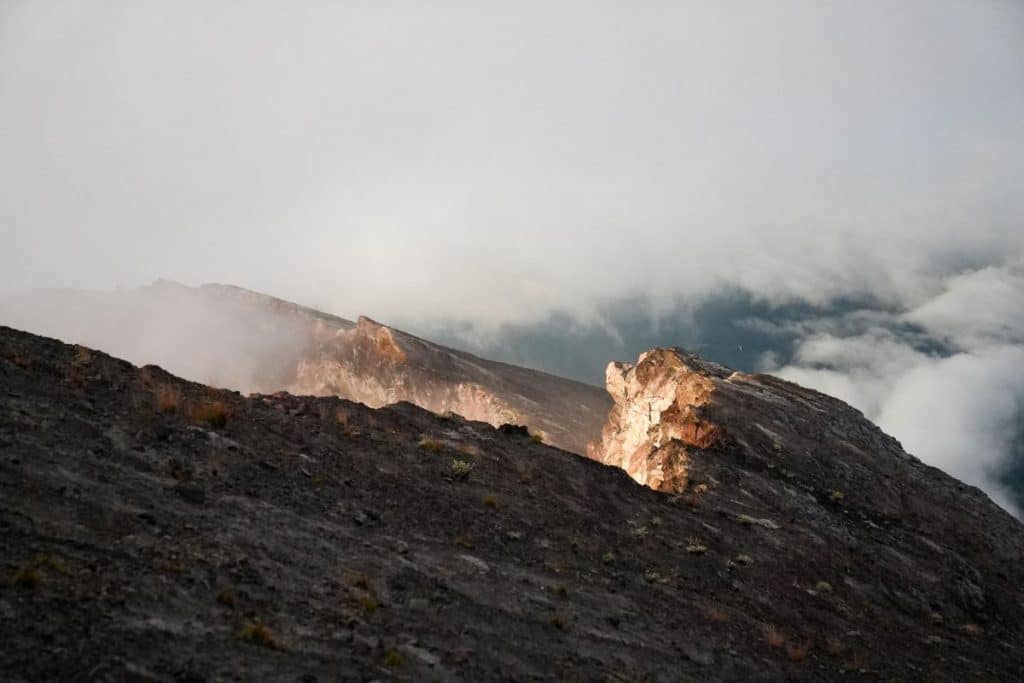
Climbing Mount Agung is not your typical Bali activity. It is a demanding overnight hike that combines dense tropical forest, steep volcanic terrain, and spectacular alpine scenery.
Unlike Mount Batur, which is often completed by beginner hikers, Mount Agung requires significantly more endurance and mental preparation. While you don’t need technical climbing experience, you should be comfortable hiking continuously for several hours on steep terrain.
One of the highlights of the climb is the changing landscape. The trail begins inside a lush tropical forest before gradually becoming more rugged and volcanic as you gain altitude. As the sun rises, you’ll have panoramic views over Bali’s eastern coastline, Mount Batur, Lake Batur, and, if the weather cooperates, the impressive silhouette of Mount Rinjani on Lombok Island.
How to do the Mount Agung sunrise hike
Before starting your adventure, it’s important to know that climbing Mount Agung should always be done with a local guide. Unlike Mount Batur, the trail passes through dense forest in complete darkness, where multiple paths can easily cause hikers to lose their way. Local guides know the safest route, monitor current trail and weather conditions, and provide valuable assistance during the steep volcanic ascent. Most guides also include trekking poles and headlamps, making the hike both safer and more comfortable.
Most Mount Agung hikes begin around 11:00 PM, allowing hikers to reach the summit just before sunrise.
From the Parking Area to POS 1
After arriving at the parking area, many guides offer to take hikers by scooter to POS 1, saving both time and energy before the actual hike begins. From there, the trail immediately enters the forest.
The First 4 Hours: Through the Forest
The first stage of the hike takes approximately 4 hours and follows a well-marked trail through Bali’s lush tropical forest. Along the way, hikers pass five checkpoints (POS 1 to POS 5) before reaching Base Camp. Although the incline gradually increases, this section remains relatively manageable compared to what comes next.
The Final 2 Hours: To the Summit
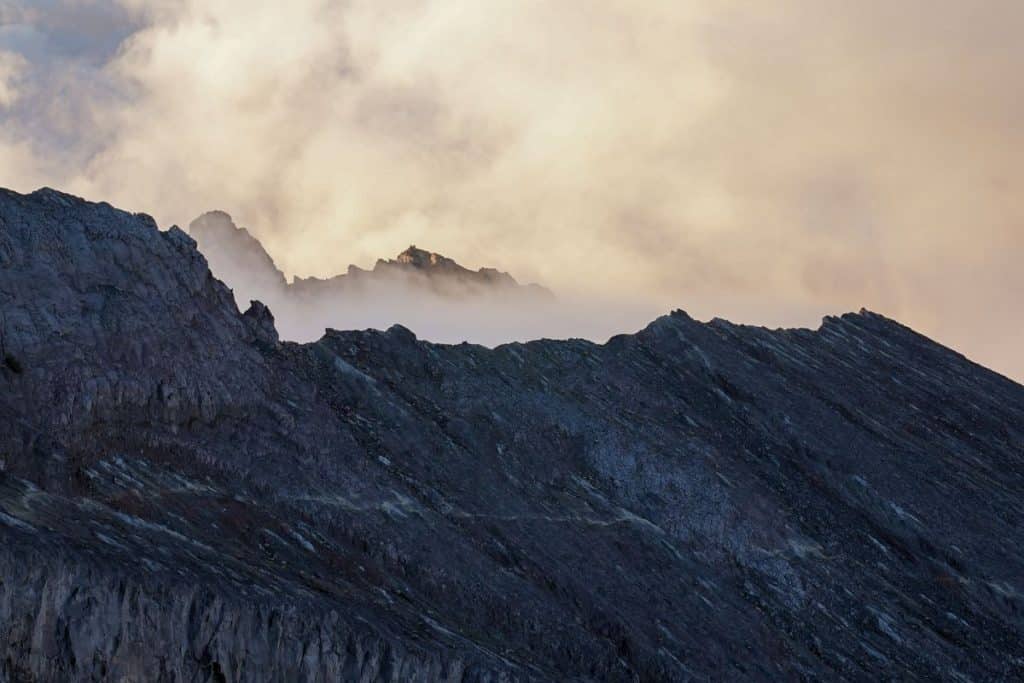
From Base Camp, the trail becomes significantly steeper and more challenging. The final 2-hour ascent follows loose volcanic rock and gravel, where every step requires careful footing. This is the toughest part of the hike, both physically and mentally, but reaching the summit just before sunrise makes every step worthwhile.
The Descent
The descent follows the same route and usually takes around 6 hours back to the parking area. While less physically demanding than the climb, it requires extra caution as the volcanic gravel can be slippery and the forest trail becomes uneven. Trekking poles are especially helpful during this section./p>
Preparing for the hike
Proper preparation is essential before climbing Mount Agung. Although the hike doesn’t require technical climbing skills, it is physically demanding and takes place overnight in changing weather conditions. Wearing the right clothing, bringing enough water, and packing the proper equipment will make your hike much more enjoyable and safer.
TemperatureAlthough Bali is famous for its warm tropical climate, temperatures on Mount Agung are much cooler, especially before sunrise. At the summit, temperatures typically range between 5°C and 10°C, and strong winds can make it feel even colder. Dressing in layers is the best option, allowing you to stay warm during the ascent while easily removing clothing as the day gets warmer.
What to wearChoosing the right clothing is important for staying comfortable throughout the hike. Wear breathable hiking clothes and avoid cotton, as it absorbs sweat and can leave you feeling cold later in the climb. A lightweight fleece combined with a waterproof or windproof jacket is ideal for the colder sections near the summit. Long hiking pants are recommended, and a beanie or lightweight gloves can make a big difference while waiting for sunrise. A good pair of hiking shoes is one of the most important pieces of equipment for Mount Agung. Most local guides provide trekking poles and headlamps, but it’s always worth confirming what’s included before your hike.
How much water should you bring?Because there are no shops or water stations along the route, it’s important to carry enough water for the entire hike. Most hikers should bring 1,5 to 2,5 liters of water, depending on the weather and their personal needs. Adding electrolytes to your water is also recommended to help maintain hydration and energy levels throughout the hike.
Food and snacksThe hike lasts around 10 to 12 hours in total, making it important to bring enough food to keep your energy up. Lightweight snacks such as energy bars, nuts, dried fruit, bananas, or sandwiches are excellent choices. Most local guides also prepare a simple breakfast, which you can enjoy at the summit while watching the sunrise before beginning the descent.
Reaching the summit
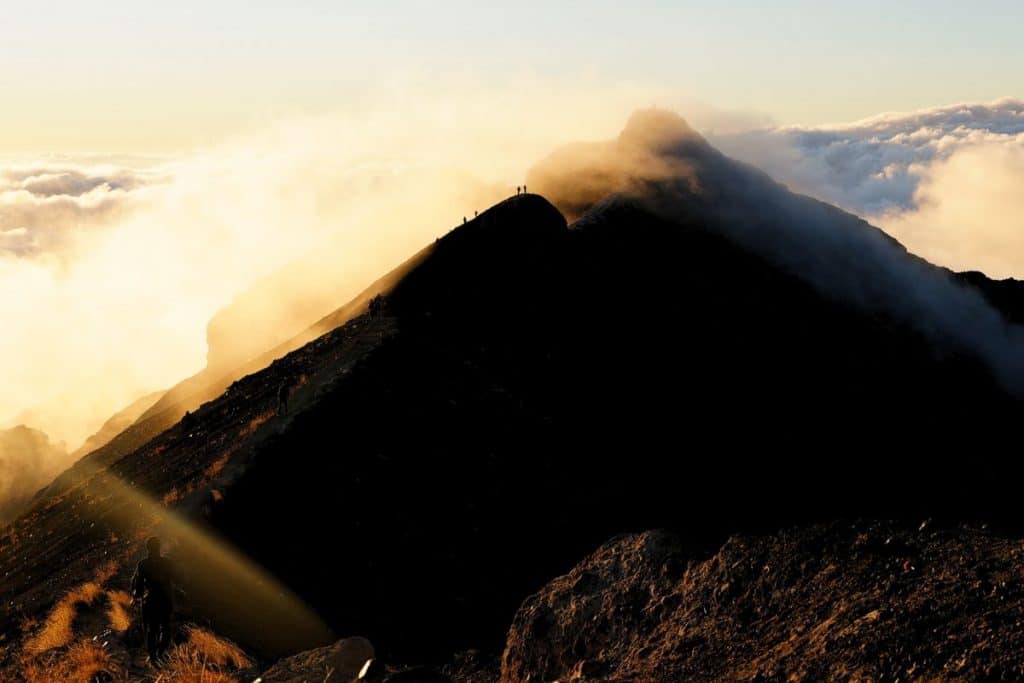
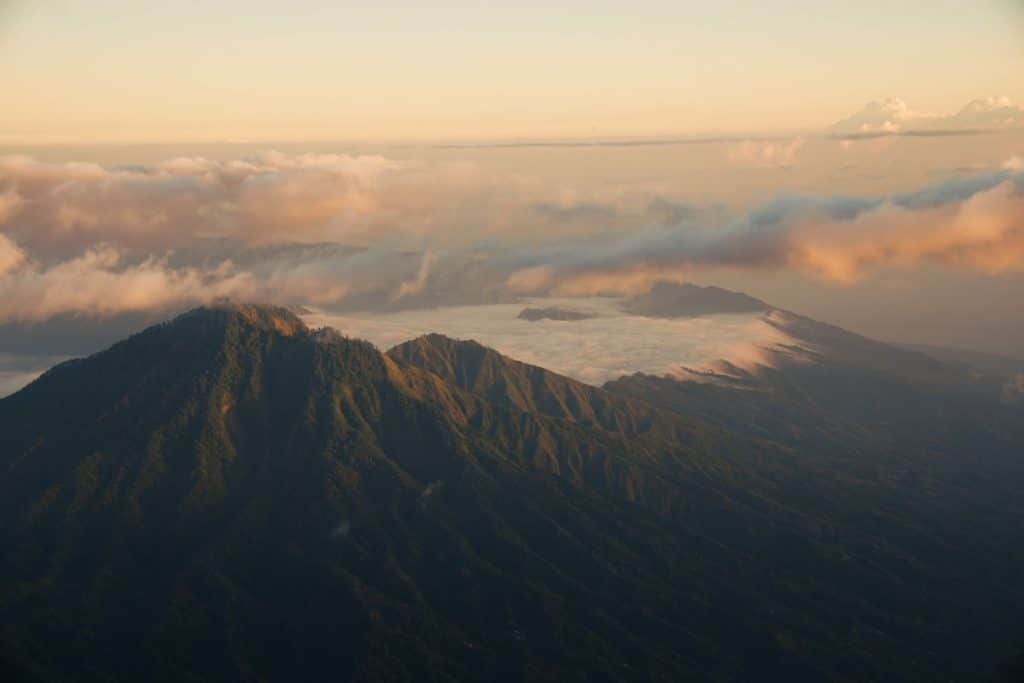
Standing at the summit of Mount Agung as the sun rises is an unforgettable experience. As darkness slowly gives way to daylight, the entire island begins to emerge beneath your feet. On clear mornings, you’ll enjoy breathtaking panoramic views over eastern Bali, the coastline, Mount Batur, and the towering Mount Rinjani across the Lombok Strait. Watching the first rays of sunlight illuminate Bali’s volcanic landscape is truly one of the island’s most magical moments.
The descent offers a completely different perspective, revealing the lush tropical forest, giant trees, volcanic landscapes, and scenic viewpoints that were hidden in the darkness during the ascent. It’s the perfect opportunity to fully appreciate the beauty of Mount Agung before returning to the trailhead.
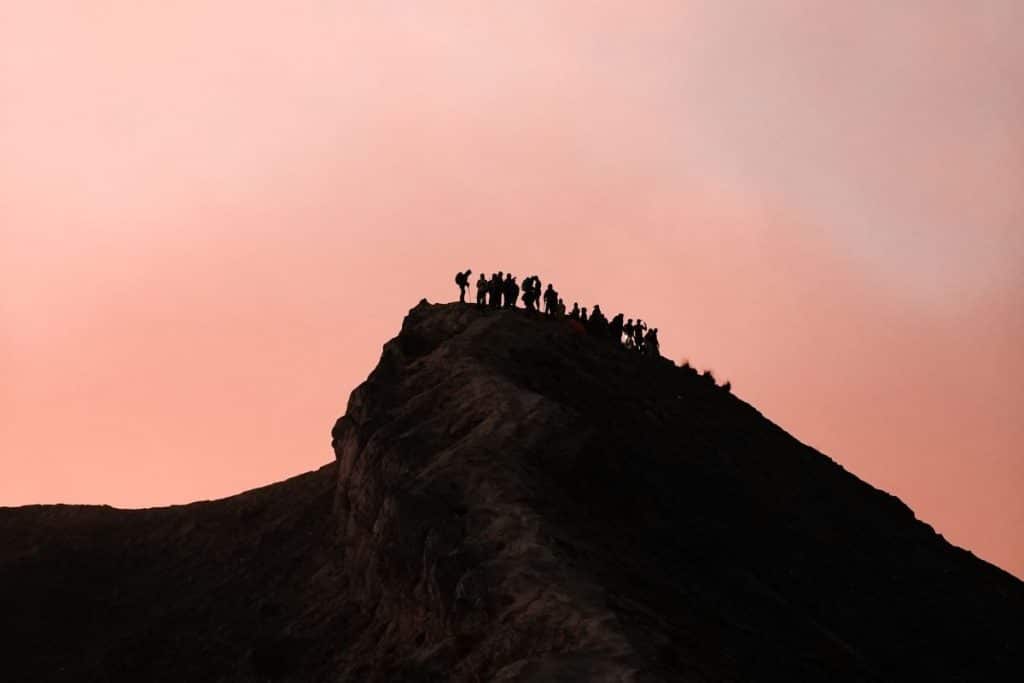
Climbing Mount Agung is far more than simply reaching Bali’s highest point, it’s an adventure that combines physical challenge, incredible landscapes, and a unique cultural experience.
While the hike is demanding, careful preparation, the right equipment, and an experienced local guide make it achievable for anyone with a good level of fitness. If you’re looking for one of the most memorable experiences Bali has to offer, few adventures compare to watching the sunrise from the summit of Mount Agung before descending through its beautiful tropical forest.
It’s challenging, unforgettable, and undoubtedly one of the best hikes in Indonesia.