

Hiking in Indonesia: A complete guide to the country’s most iconic volcanoes
Indonesia is home to more than 120 active volcanoes, making it one of the world’s greatest destinations for hiking enthusiasts. From beginner-friendly sunrise walks to demanding multi-day expeditions, every volcano offers a completely different experience. Whether you’re looking for breathtaking sunrise views, volcanic craters, turquoise lakes, or the challenge of reaching one of Indonesia’s highest summits, there is a hike for every level.
Among the country’s most famous volcanoes are Mount Batur, Mount Agung, Mount Ijen, Mount Bromo, and Mount Rinjani. While they are all volcanic hikes, the scenery, difficulty, duration, and overall atmosphere vary significantly. Here’s everything you need to know before choosing your next adventure.

Mount Batur – The perfect sunrise hike for beginners
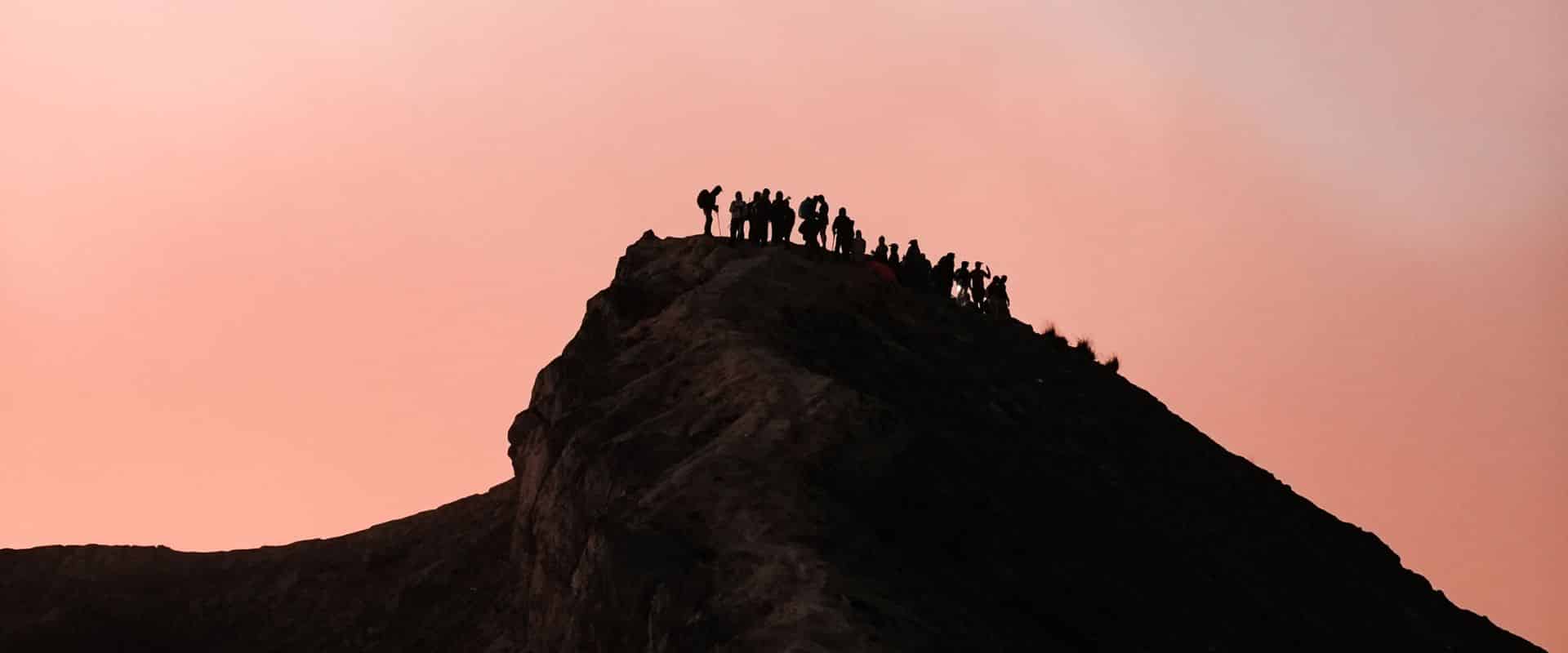
Mount Batur (1,717 m), located in Bali, is one of Indonesia’s most popular volcanoes and an excellent introduction to volcano hiking. The trail is relatively short, taking around two hours to reach the summit, making it accessible for most people with an average fitness level. Although sections of loose volcanic rock can feel slippery, the path is well-established and climbed daily by hundreds of hikers.
The reward comes at sunrise when the sky slowly lights up above Lake Batur, Mount Abang, and the distant silhouette of Mount Agung. On clear mornings, it’s even possible to spot Mount Rinjani on Lombok across the sea. The summit offers panoramic 360-degree views, while volcanic steam escaping from the ground reminds visitors that Batur remains an active volcano. The combination of accessibility and spectacular scenery makes it one of Bali’s must-do experiences.
Mount Bromo – Indonesia's most photogenic volcano
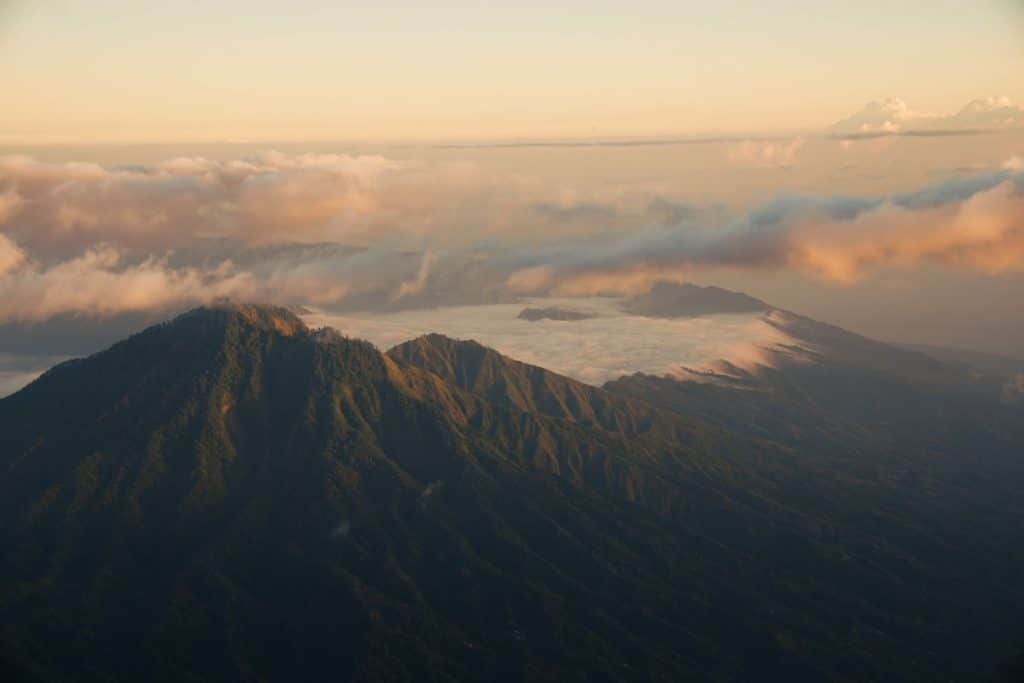
Unlike the other hikes, Mount Bromo focuses more on the surrounding landscape than on reaching a difficult summit. The volcano stands at 2,329 meters and is located within the vast Sea of Sand inside Bromo Tengger Semeru National Park. Most visitors first watch sunrise from one of the nearby viewpoints before crossing the volcanic plain to climb the staircase leading to Bromo’s crater.
The scenery is unlike anywhere else in Indonesia. Endless volcanic plains, drifting morning mist, smoking craters, and the towering Mount Semeru in the distance create a truly cinematic atmosphere. Since the final ascent consists mainly of stairs, Bromo is suitable for nearly everyone, making it one of the easiest volcano experiences while still offering unforgettable views.

Mount Ijen – Home to the famous blue flames
Located in East Java, Mount Ijen is unlike any other volcano in Indonesia. The hike itself is relatively moderate, taking approximately 1.5 to 2 hours to reach the crater rim. However, many visitors begin during the night to witness the rare blue flames, a natural phenomenon caused by burning sulfur gases visible only in darkness.
At sunrise, the crater reveals one of the world’s largest acidic turquoise lakes, surrounded by steep volcanic cliffs. Visitors can also observe local sulfur miners carrying heavy baskets up and down the crater, offering a unique glimpse into one of the world’s toughest professions. While the climb isn’t technically difficult, descending into the crater requires caution, and gas masks are often recommended due to sulfur fumes.

Mount Agung – Bali's most challenging climb
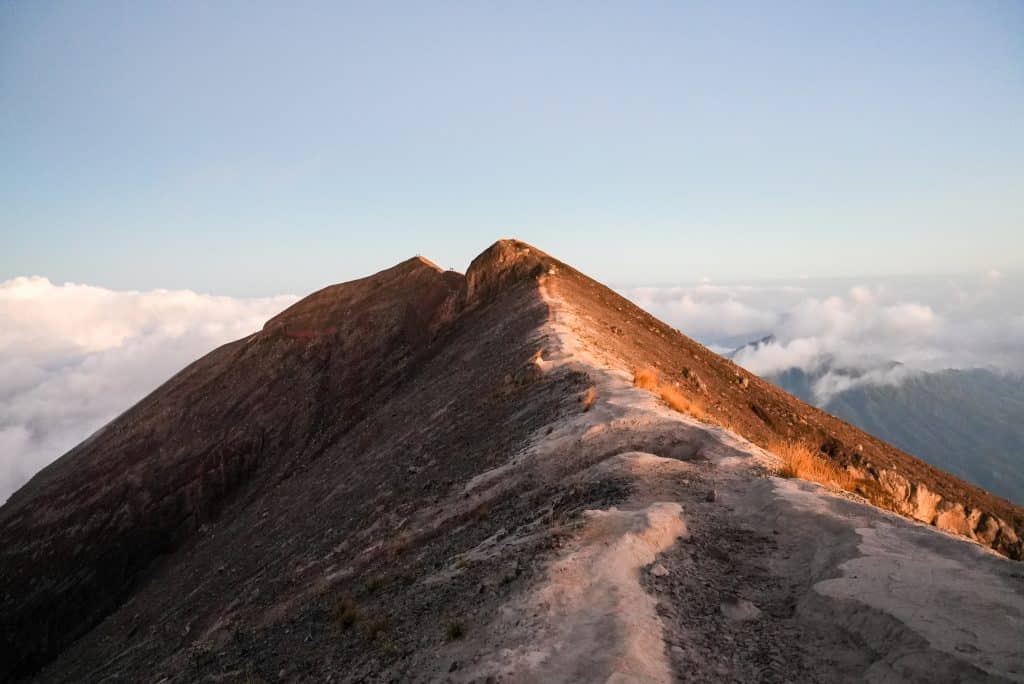
Standing at 3,031 meters, Mount Agung is the highest volcano in Bali and the island’s most sacred mountain. Unlike Mount Batur, this hike is significantly more demanding. Climbers usually begin around midnight and spend six to eight hours ascending steep volcanic slopes before reaching the summit at sunrise. The final section requires scrambling over loose rocks and demands both endurance and careful footing.
Reaching the summit feels like standing above the entire island. On clear mornings, hikers can enjoy incredible views stretching across Bali, Mount Batur below, the Indian Ocean, and even Mount Rinjani on neighboring Lombok. Because of its elevation, sunrise often unfolds above a sea of clouds, creating one of Indonesia’s most dramatic landscapes. Mount Agung is ideal for experienced hikers looking for a true challenge.
Mount Rinjani – Indonesia's ultimate trekking adventure
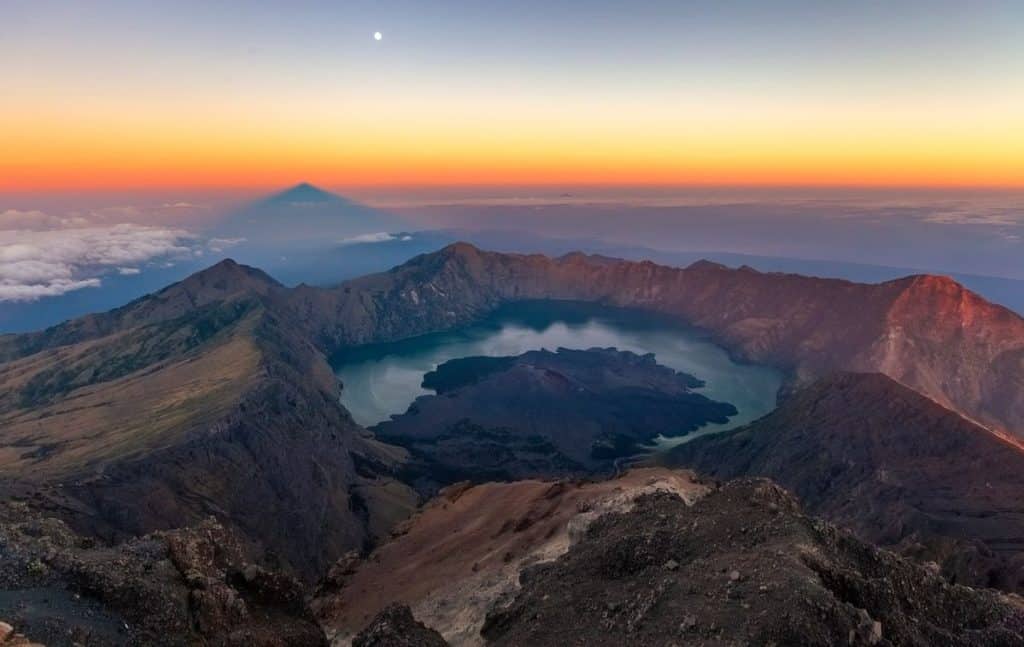
Rising to 3,726 meters on Lombok Island, Mount Rinjani is Indonesia’s second-highest volcano and one of Southeast Asia’s greatest trekking experiences. Unlike the other volcanoes, climbing Rinjani requires two to four days depending on the route. The hike involves long daily ascents, steep volcanic terrain, changing weather conditions, and overnight camping at high altitude. Good physical fitness is essential.
What makes Rinjani truly exceptional is the incredible variety of landscapes encountered along the way. Trekkers pass through tropical forests, grassy ridges, dramatic volcanic cliffs, hot springs, and the spectacular Segara Anak crater lake. From the summit, hikers are rewarded with panoramic views over Lombok, Bali, Sumbawa, and the surrounding ocean. For many adventurers, Rinjani represents the most rewarding volcano trek in Indonesia.
Choosing the right volcano depends on the type of adventure you’re looking for. If you’re new to hiking, Mount Batur and Mount Bromo offer unforgettable views without requiring advanced trekking experience. For those seeking a greater challenge, Mount Agung provides a rewarding summit climb, while Mount Rinjani is an epic multi-day expedition that ranks among Southeast Asia’s most spectacular hikes. If you’re looking for something truly unique, Mount Ijen stands out with its famous blue flames and vibrant crater lake.
Whichever trail you choose, hiking in Indonesia is about far more than reaching the summit. It’s an opportunity to experience active volcanoes, witness unforgettable sunrises, and discover some of the country’s most breathtaking landscapes. With the right preparation and respect for nature, every hike becomes an adventure you’ll remember long after you’ve left the mountain.