

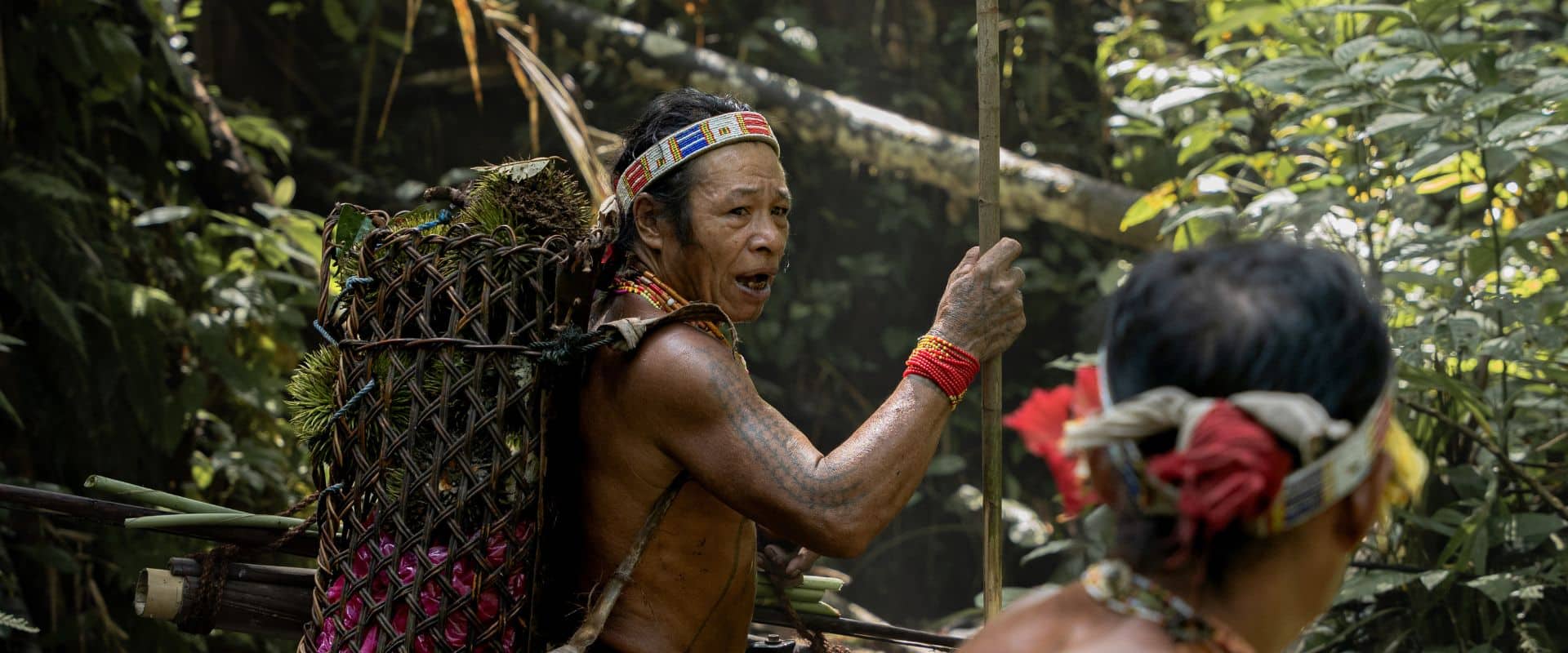
Meeting the Mentawai Tribe on Siberut Island
Far from the busy streets of Sumatra, across the ocean, lies a group of islands where life moves at a very different pace.
The Mentawai Islands are one of those places that feel far away from the moment you leave the mainland. There are no big resorts, no busy roads and very little connection with the outside world once you head deep into the jungle. But the real reason to come here is not only the landscape. It is the people.
On Siberut Island, you can spend several days living alongside the Mentawai people, sleeping in their traditional house, eating together, walking through the forest and learning about a way of life that has been passed down for generations. It is not the kind of trip where you simply arrive, take a few photos and leave. You become part of everyday life for a few days.
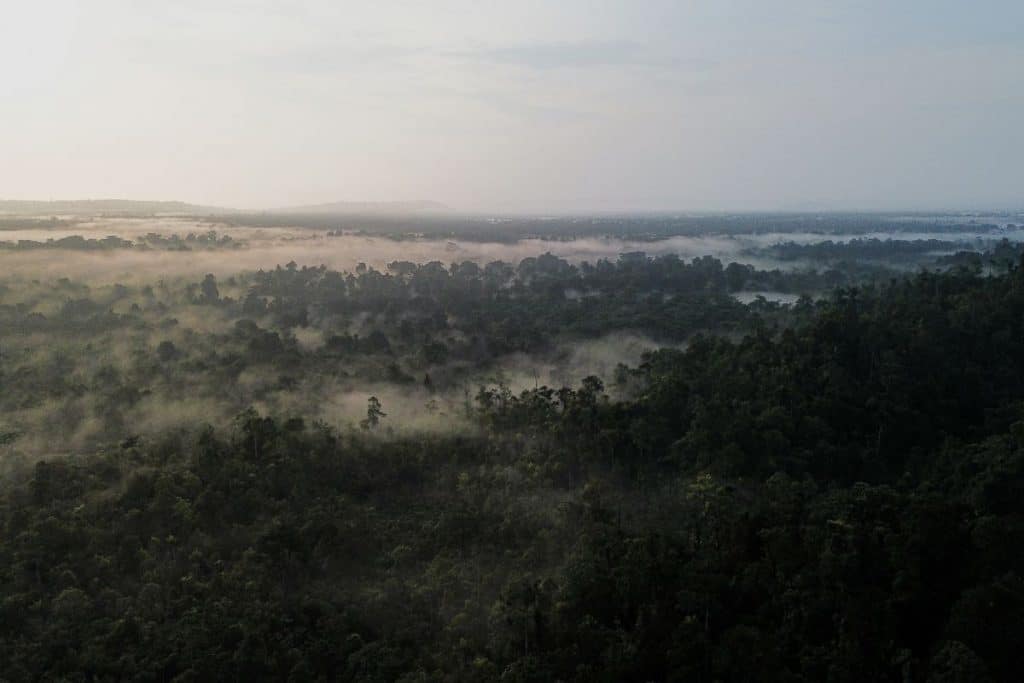
The Mentawai Islands: a remote part of Indonesia
The Mentawai Islands are an archipelago off the western coast of Sumatra, in West Sumatra province. The group includes more than 90 islands, although only a few of them are large and inhabited. The four main islands are Siberut, Sipora, North Pagai and South Pagai.
Each island has its own character. Sipora is home to the administrative capital of the Mentawai Islands, Tua Pejat, while the Pagai Islands are known for their beaches, small communities and surf spots.
But Siberut is the island to know if you are coming to discover Mentawai culture. It is the largest island in the archipelago and is covered by large areas of rainforest. It is also where traditional Mentawai culture remains particularly strong, including the presence of the Sikerei, the traditional shamans of the community.
Siberut is also famous for its incredible biodiversity. The island is home to several animals found nowhere else in the world, including endemic species of monkeys and gibbons. The deeper you travel into the island, the more the landscape changes. Roads disappear. Rivers become the main way of getting around. Houses become scattered between the forest and small gardens.
And this is where the journey really begins.
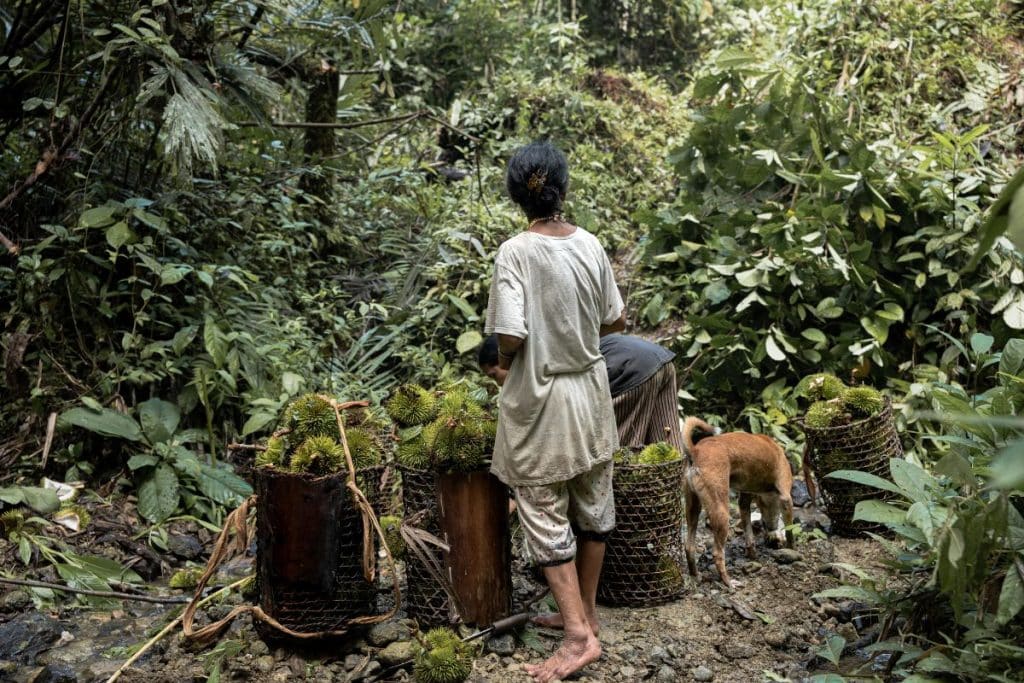
How to get to the Mentawai Tribe
Getting to the Mentawai tribe is not a simple day trip from Padang. The first step is reaching Muaro Padang, where the fast ferry leaves for Siberut. The ferry currently operates on Tuesdays, Thursdays and Saturdays. Depending on the service and route, the crossing takes roughly four to six hours.
This is important when planning your trip because the ferry schedule basically determines your whole itinerary. For example, a popular five-day trip runs from Tuesday to Saturday: you leave Padang on Tuesday morning and return to Padang on Saturday.
Once you arrive in Siberut, the journey is far from over. You still have to travel inland towards the community. Depending on the location, this can involve a car or off-road vehicle, followed by a small motorised canoe along the river. The last part is usually on foot, through the forest and often through very muddy paths.
It can take a full day to reach the community. And honestly, that is part of what makes the experience special. You slowly leave the modern world behind.
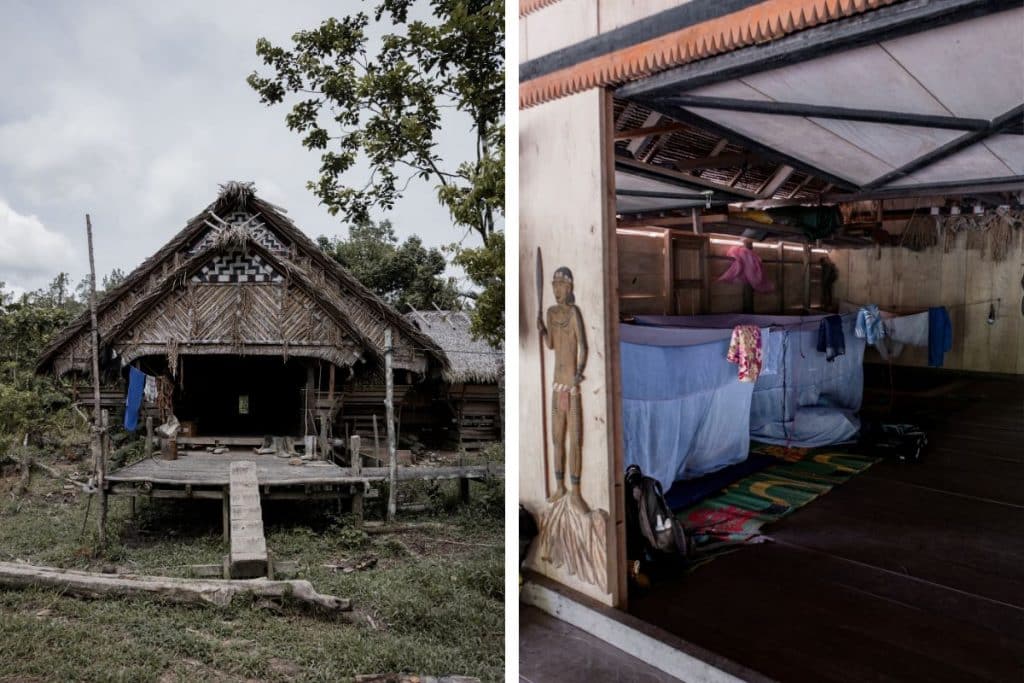
Go with a local guide
This is not a trip you can organise on your own.
The communities are remote, and reaching the traditional houses requires local knowledge, transport and contact with the families. You need to travel with a local guide or company, not only because of the logistics, but also to make sure the experience is respectful to the people you are visiting.
We travelled with Mentawai Tribe, a local team made up of guides from the Mentawai Islands themselves. They work closely with local families and Sikerei (traditional shamans) and focus on sharing everyday life rather than organising staged shows or performances for visitors. The idea is not to simply visit the Mentawai people as a tourist attraction. You stay with families, share their meals and take part in their daily activities, while learning about their culture through people who are part of the community themselves.
This makes the experience feel much more personal, and, importantly, more respectful.
Who are the Mentawai people?
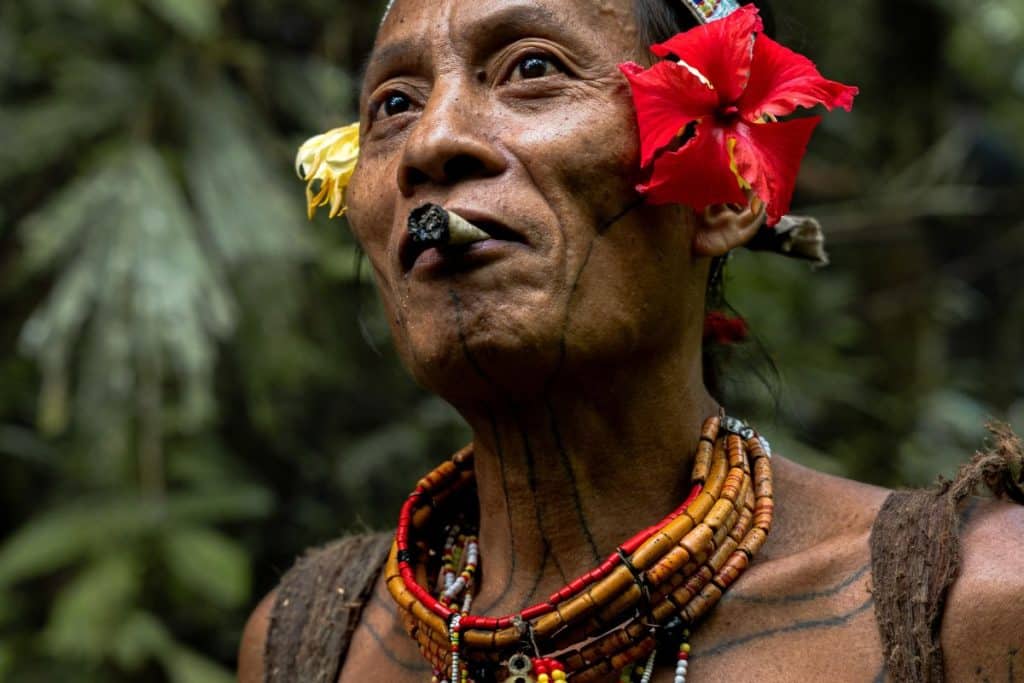
The Mentawai are the Indigenous people of the Mentawai Islands. Their traditional way of life has been closely connected to the forest, rivers and surrounding land for generations. Traditionally, communities lived in small clan groups, often centred around a communal house called an uma. The uma is much more than a place to sleep. It is a shared home and an important social and cultural space where families eat, meet and take part in ceremonies.
Life here is strongly connected to nature. The forest is not simply somewhere to find food. It provides sago, fruits, plants, medicine and materials for everyday life. Rivers are used for travelling and fishing, while the jungle provides hunting grounds.This way of thinking changes the way you see the forest.
It is not simply a place you walk through. It is part of their life.There is also a strong spiritual side to Mentawai culture. Their traditional belief system, known as Arat Sabulungan, is based on maintaining a balance between people, nature and the spiritual world. The Mentawai believe that humans, animals, plants and other parts of the natural world have a spiritual essence.
A different relationship with time. One of the things you notice very quickly is how different the rhythm of life feels.
There is no need to rush from one activity to another. If someone wants to go fishing, you go fishing. If the family is preparing food, you sit down and help. If someone finds fruit in the forest, everyone shares it. There is no strict timetable like the one we are used to. The day follows the river, the forest, the weather, the food that needs to be collected and the activities of the community. And after a few days, you start to slow down too.The Sikerei. One of the most fascinating parts of Mentawai culture is the role of the Sikerei, the traditional shaman. The Sikerei are much more than spiritual figures. They are also healers and important members of the community, with extensive knowledge of medicinal plants, rituals and the forest.
Their role is connected to the balance between the physical and spiritual worlds. Meeting a Sikerei is therefore not simply meeting a traditional healer. It is meeting someone who holds an important place within the community and its traditions.Tattoos and identity. The Mentawai are also famous for their traditional tattoos, known as titi.
Tattoos have traditionally been connected to identity, status, community and a person’s relationship with the natural world. The designs are not simply decorative. For the Mentawai, the body itself can tell a story.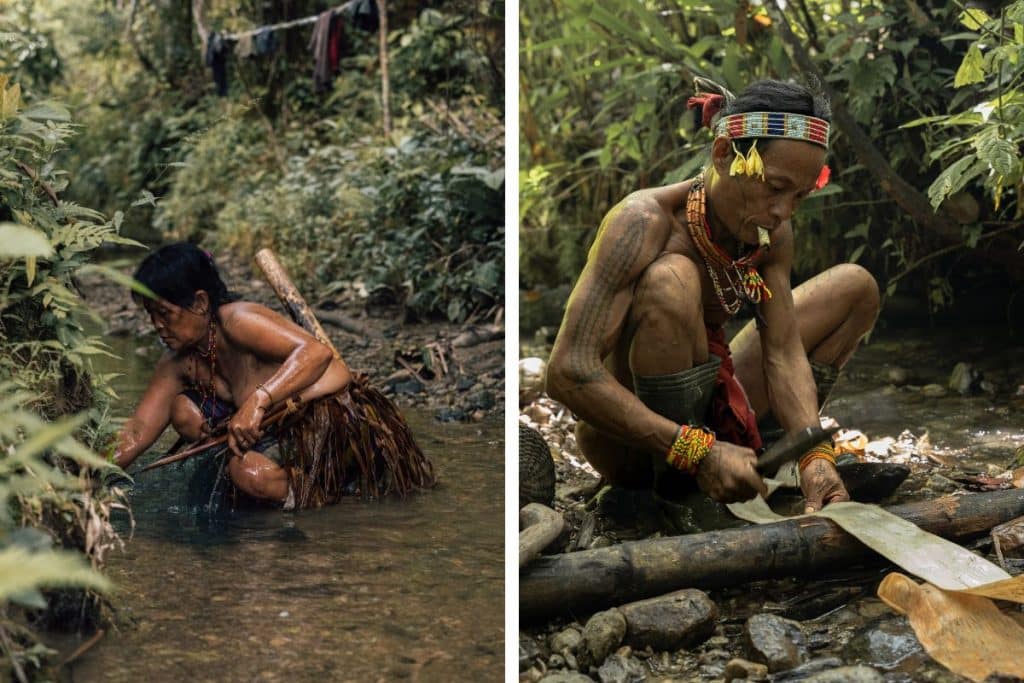
What do you actually do during your stay?
You don’t just visit the Mentawai. You live with them. During the few days spent in the community, you follow their daily rhythm and take part in simple activities rather than following a fixed tourist itinerary. You eat together, walk through the forest, spend time by the river and sleep in the same traditional house as the family. There is no separate experience created for visitors. You simply become part of their everyday life for a few days.
Fishing with the women. One of the activities we joined was fishing with the women from the community. We followed them to the river and learned how they catch fish using traditional methods. It is a simple activity, but it gives you a real idea of how closely daily life is connected to the river and the forest.
Exploring the forest. The forest is where much of the food and knowledge of the community comes from. We walked through the jungle looking for wild fruits, including durian, and learning about the different plants and trees around us. What looks like an ordinary forest to us is a place where the local people know where to find food, medicine and materials they use in everyday life.
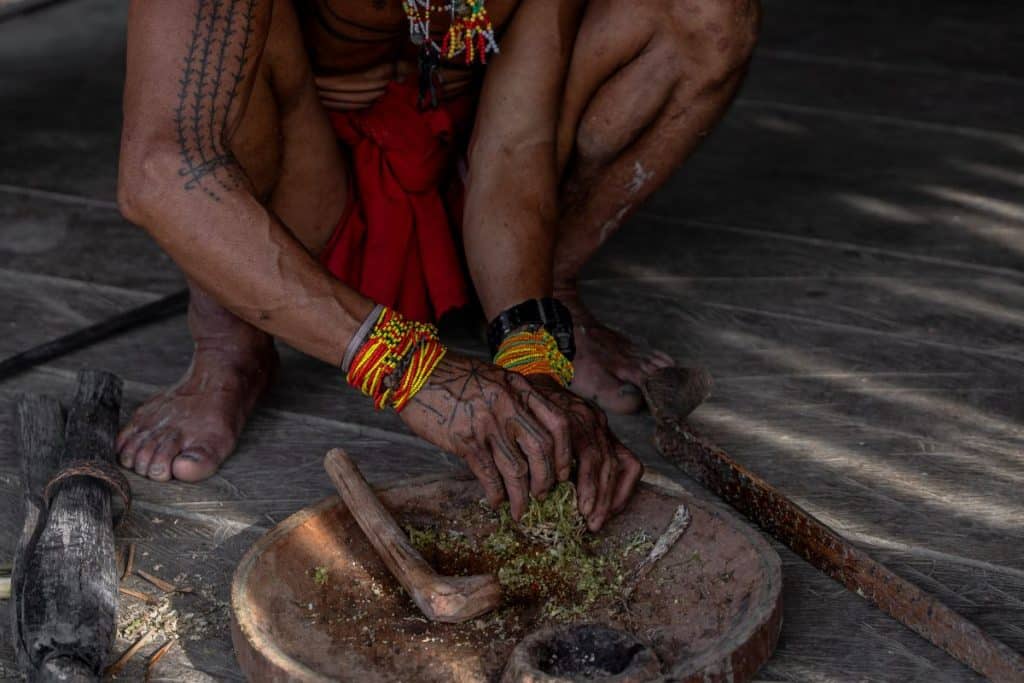
Learning about traditional hunting. We also had the chance to follow the men into the forest and learn more about traditional hunting. The Mentawai have a deep knowledge of the jungle and know how to move through it, track animals and use traditional hunting tools. We also learned how natural poison is prepared and used on the tips of hunting arrows.
Finding food in unexpected places. One of the most surprising experiences was looking for sago worms in the forest. They are found inside old sago palm trunks and are considered a source of food by the local community. After finding them, we cooked them and ate them together. It is definitely not something we would normally do at home, but being there makes you much more open to trying things you would never usually consider.
Meeting a Sikerei. We also had the opportunity to meet a Sikerei, the traditional shaman of the community. It was a chance to learn more about their role, their knowledge of medicinal plants and their connection to the spiritual side of Mentawai culture. Meeting someone who holds such an important place in the community makes the experience feel very different from simply learning about the culture from a book or a guide.
Eating and sleeping with the family. At the end of the day, we returned to the uma, ate together and spent the evening with the family. We also slept there, surrounded by the sounds of the forest. There is no luxury or comfort in the usual sense, but after spending the day outside, sharing a simple meal and sleeping in the same house as the people you have spent the day with feels like a natural part of the experience.
The experience is about more than the activities. Fishing, hunting, looking for food or meeting a Sikerei are all memorable, but the most interesting part is simply being there. You start to understand how the different parts of daily life are connected: the forest provides food, the river provides fish and a way to travel, and the community shares what it has. For a few days, you are not just observing this way of life. You are experiencing it alongside the people who live it every day.
Some places stay with you long after you leave. Our time with the Mentawai was one of them. For a few days, we left behind our usual routines and followed a completely different rhythm, sharing meals, exploring the forest, travelling by canoe and learning from the people around us.
Siberut is not the easiest place to reach, but that is part of what makes it special. If you are looking for an experience that goes beyond simply visiting a new place, spending a few days with the Mentawai offers a rare chance to slow down, connect with nature and experience everyday life from a completely different perspective.