

Kintamani, Bali: A guide to the island’s volcanic highlands
Kintamani is one of Bali’s most distinctive regions, shaped by volcanic landscapes, cool mountain air and dramatic views over Mount Batur. Located in the island’s northeast, the area feels very different from Bali’s southern coast, with a landscape dominated by mountains, crater lakes, traditional villages and farmland.
While many visitors come to Kintamani for the famous sunrise over Mount Batur, there is much more to discover beyond the volcano itself. From Lake Batur and local villages to hot springs, coffee plantations and unique cultural traditions, Kintamani is a place to slow down and experience a quieter side of Bali.
Discover the volcanic landscapes of Kintamani
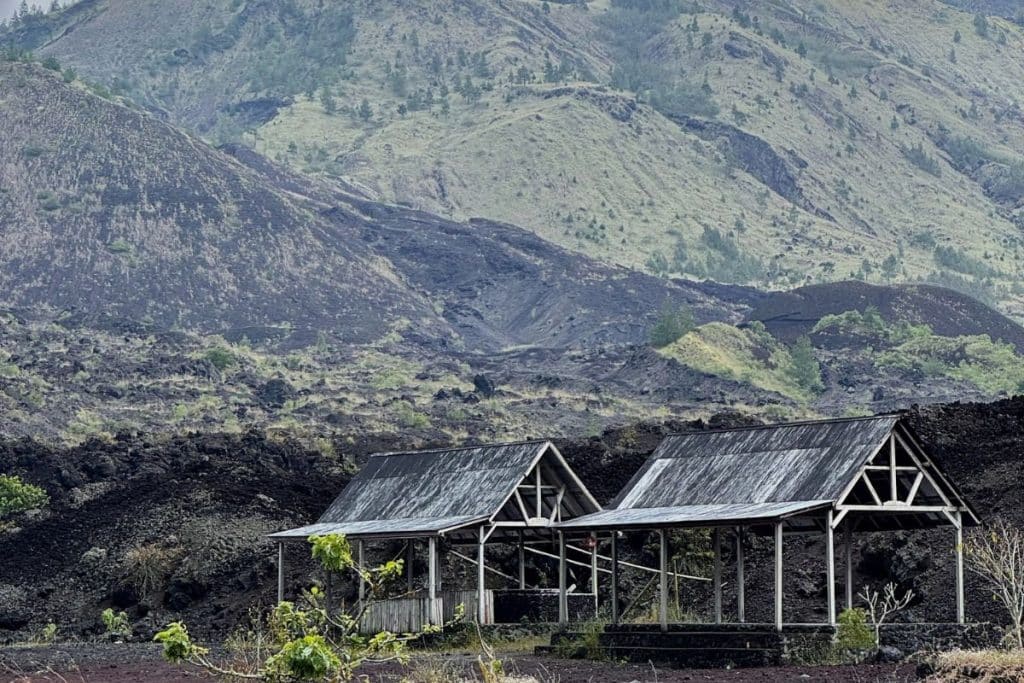
The landscape is what makes Kintamani so distinctive. The region stretches around the vast caldera of Mount Batur, with Mount Batur and Lake Batur at its centre. But the volcano is only one part of the story. The highlands are shaped by fertile volcanic soil, cooler temperatures and a patchwork of farms growing coffee, citrus fruits, vegetables and spices. As you drive through the region, the landscape gradually shifts from busy viewpoints to small villages, plantations and winding roads overlooking the caldera.
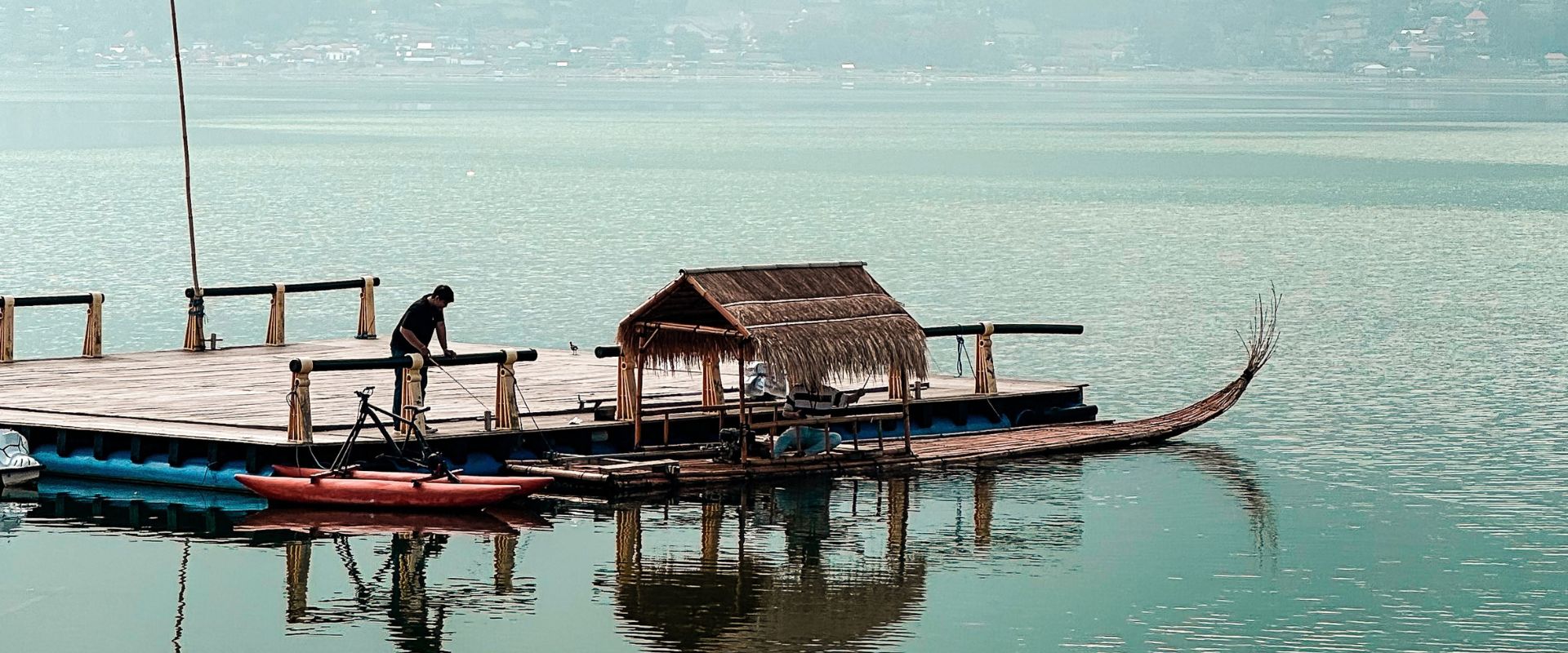
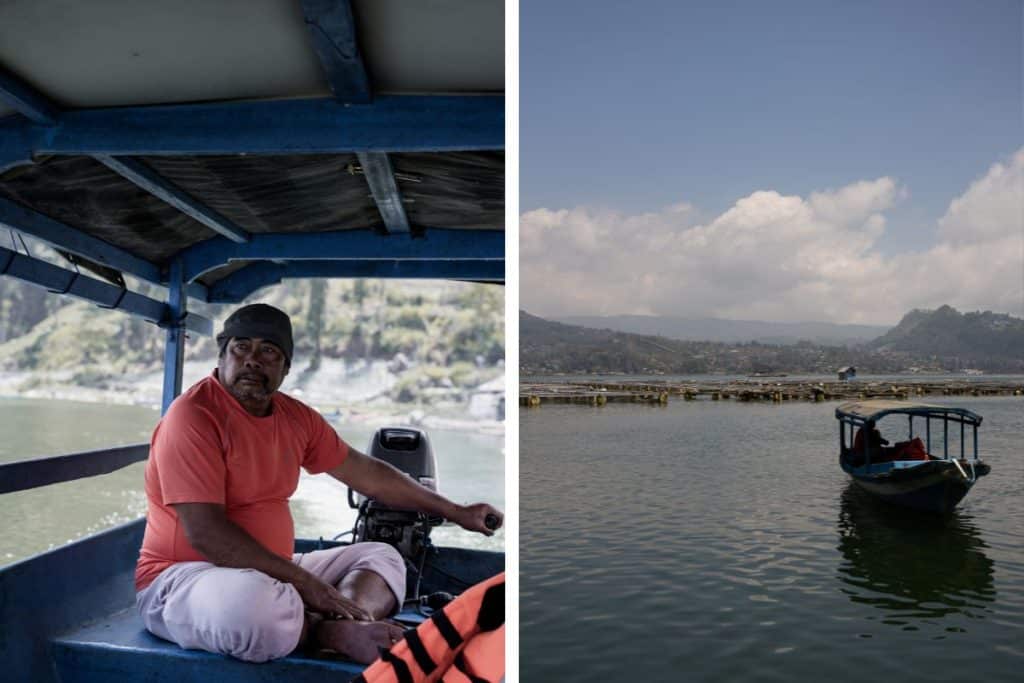
Lake Batur is at the heart of this landscape and an important part of local life. Along its shores, you can still see small fishing boats and local fishermen going about their day, a reminder that the lake is more than a viewpoint for visitors. On the eastern shore lies Trunyan, a traditional Bali Aga village that has preserved customs and traditions distinct from those found in many other parts of Bali. The village is particularly known for its mepasah burial tradition, where certain deceased villagers are placed above ground beneath bamboo structures rather than being cremated or buried. The cemetery, located across the lake and reached by boat, remains a sacred and active burial site, so visits should be approached respectfully and with a local guide. Water is also central to the spiritual life of the region, reflected in Pura Ulun Danu Batur, one of Bali’s most significant temples. Dedicated to Dewi Danu, the goddess of lakes and water, the temple reflects the importance of water in both the island’s agricultural and spiritual life.
Experience sunrise over Mount Batur
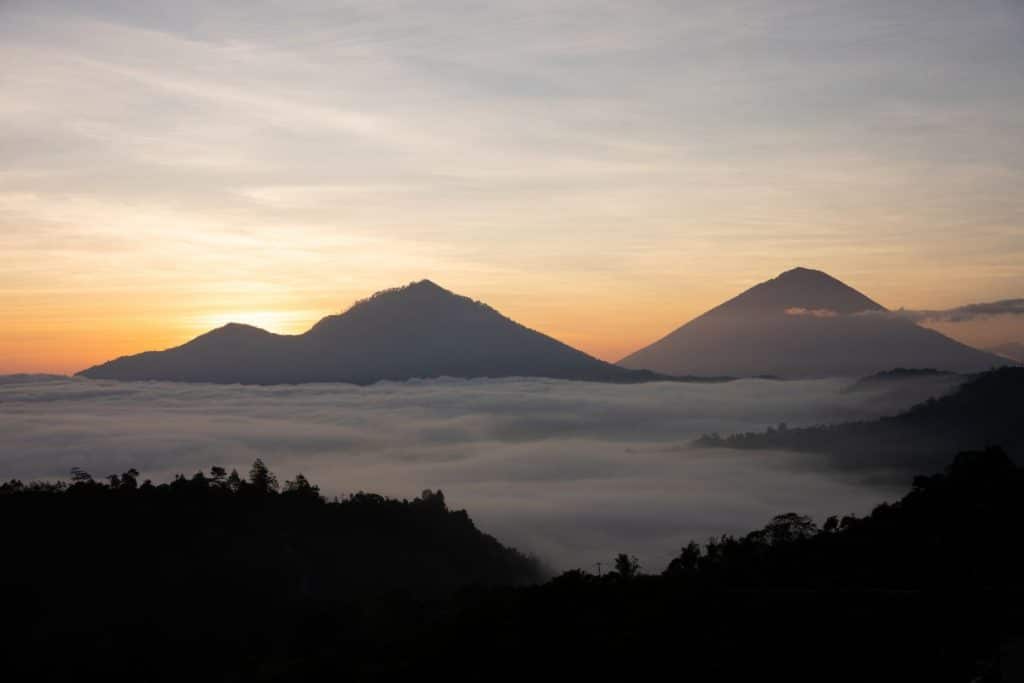
Watching the sunrise from Mount Batur is one of Kintamani’s most popular experiences. At 1,717 metres, the volcano rises from the centre of the vast Batur caldera, with Lake Batur and the surrounding mountains stretching out below. The hike usually begins during the night so that hikers can reach the summit before dawn, with the first light slowly revealing Mount Abang, Lake Batur and, on clear mornings, Mount Agung in the distance.
If hiking through the night is not for you, there are other ways to experience sunrise around Mount Batur. Sunrise jeep tours take you up the volcanic slopes before dawn, offering the chance to watch the landscape change without doing the full hike. For a slower start, you can also choose one of the cafés and viewpoints around the caldera, settle in with a coffee and watch the morning light move across the volcano and lake. Whichever option you choose, arriving early is worthwhile, as clouds and mist often gather around the mountains later in the day.
Where to go in Kintamani
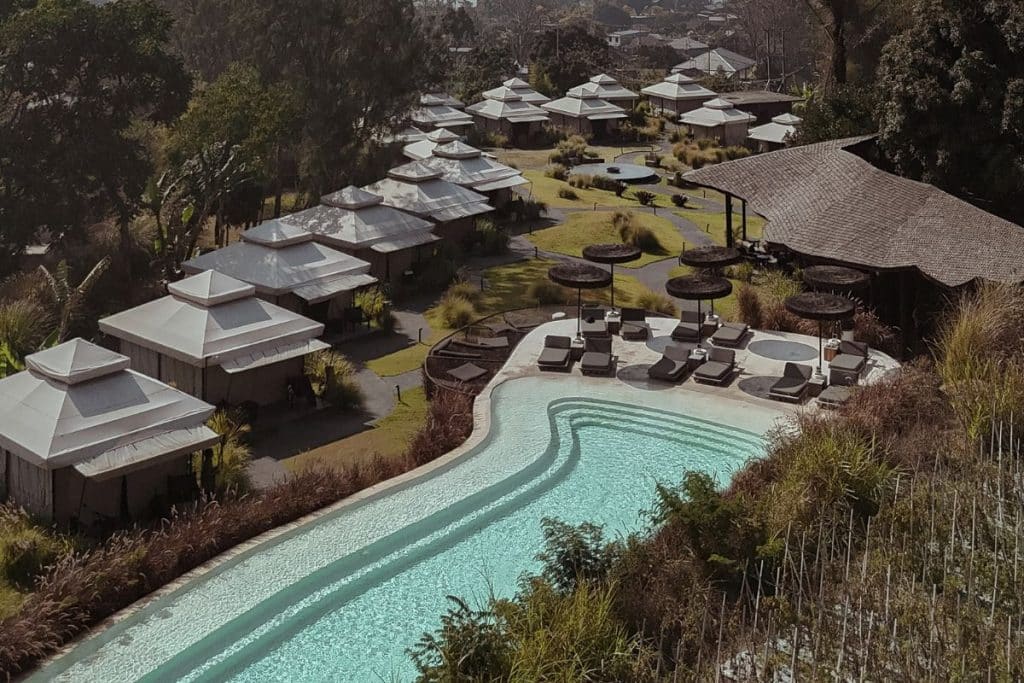
Kintamani has become increasingly interesting for travellers who want to spend more time in the highlands rather than simply stop for a photograph. For a stay surrounded by the volcanic landscape, Toteme Glamping & Hot Springs offers mountain views and hot spring pools, creating an opportunity to experience the cooler side of Bali at a slower pace. Another option is Black Lava Camp Kintamani, where you can stay close to the volcanic landscape and wake up to views of Mount Batur.
For wellness, Amme Private Wellness Sanctuary can be incorporated into a more relaxed Kintamani itinerary, while the area’s growing café scene makes it easy to combine a mountain drive with a long coffee stop. Akasa is one of the best-known addresses along the caldera road, while Pahdi Specialty Coffee and Montana Del Cafe are other options for enjoying coffee and food while taking in the volcanic panorama.
Discover Kintamani’s coffee culture
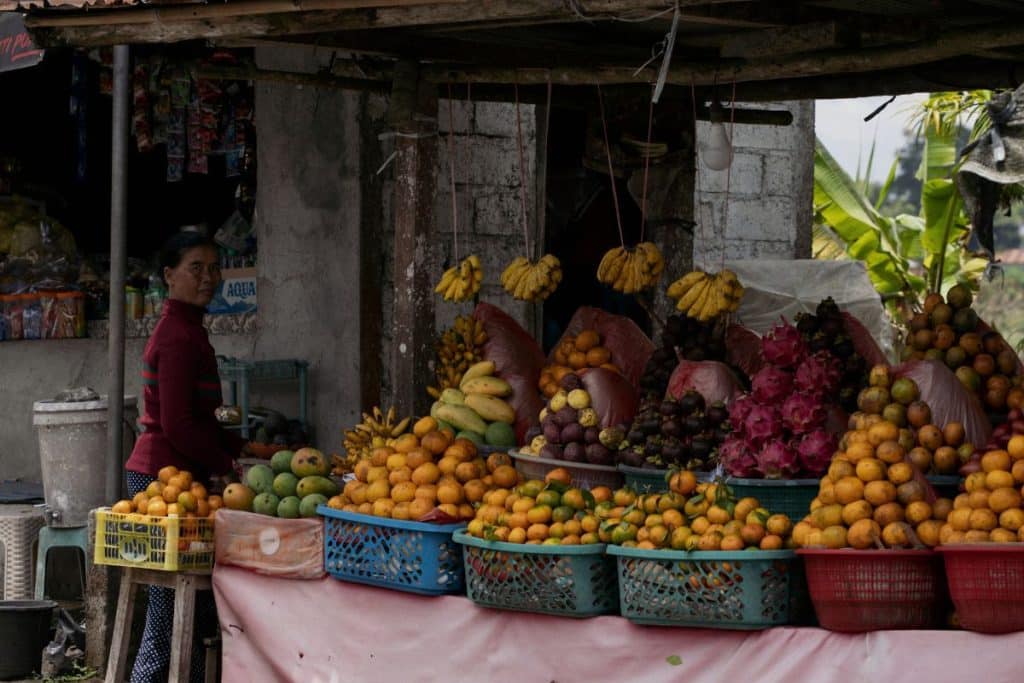
Kintamani is one of Bali’s best-known coffee-growing regions, where volcanic soil, higher elevation and cooler mountain temperatures create ideal conditions for Arabica coffee. Coffee is part of a much wider agricultural landscape here, with orange and lemon trees, spices, vegetables and other crops growing alongside the coffee plants. The result is a diverse ecosystem that reflects the traditional farming practices of the highlands.
For a closer look at this side of Kintamani, Arca Coffee offers an experience that goes well beyond simply ordering a cup of coffee. Set within a 2.5-hectare plantation, the farm gives visitors the opportunity to discover where the coffee comes from, meet the people behind it and learn about everything from cultivation and harvesting to processing, roasting and brewing. The experience also highlights the wider plantation, where coffee grows alongside vanilla, ginger, turmeric, citrus and other local crops.
Read more: Arca Coffee – From seed to cup, a story rooted in Bali.
When is the best time to visit Kintamani & how to get there?
Kintamani can be visited throughout the year, but the dry season generally offers more favourable conditions for hiking and mountain views. April to October tends to bring clearer conditions, although weather in the highlands can change quickly. If seeing Mount Batur and Lake Batur is your priority, arriving early is usually worthwhile. The high altitude also means Kintamani is significantly cooler than coastal Bali, especially before sunrise and after sunset, so a light jacket is something you will be glad to have.
Kintamani is approximately 1.5 to 2 hours from Ubud, depending on traffic and your exact destination, while the journey from Canggu, Seminyak or Uluwatu takes considerably longer. A private driver is one of the easiest ways to explore the area, particularly if you want to combine several stops around the caldera. Experienced scooter riders can also travel independently, but the winding mountain roads and changing weather are worth keeping in mind.
Kintamani is a place to experience rather than simply pass through. Its volcanic landscapes, lake, villages and agricultural traditions create a side of Bali that feels worlds away from the beaches and busy streets of the south.
Come for the sunrise, stay for the mountain air, stop for coffee, explore the lake, or simply take the long way around the caldera. Kintamani rewards curiosity, and the further you look beyond the famous Mount Batur view, the more you begin to understand why this highland region is worth a place on your Bali itinerary.