

Mount Rinjani: Everything you need to know before the climb
An honest guide to climbing Indonesia’s second-highest volcano, from choosing your route and guide to surviving the summit push, and enjoying the mountain along the way.
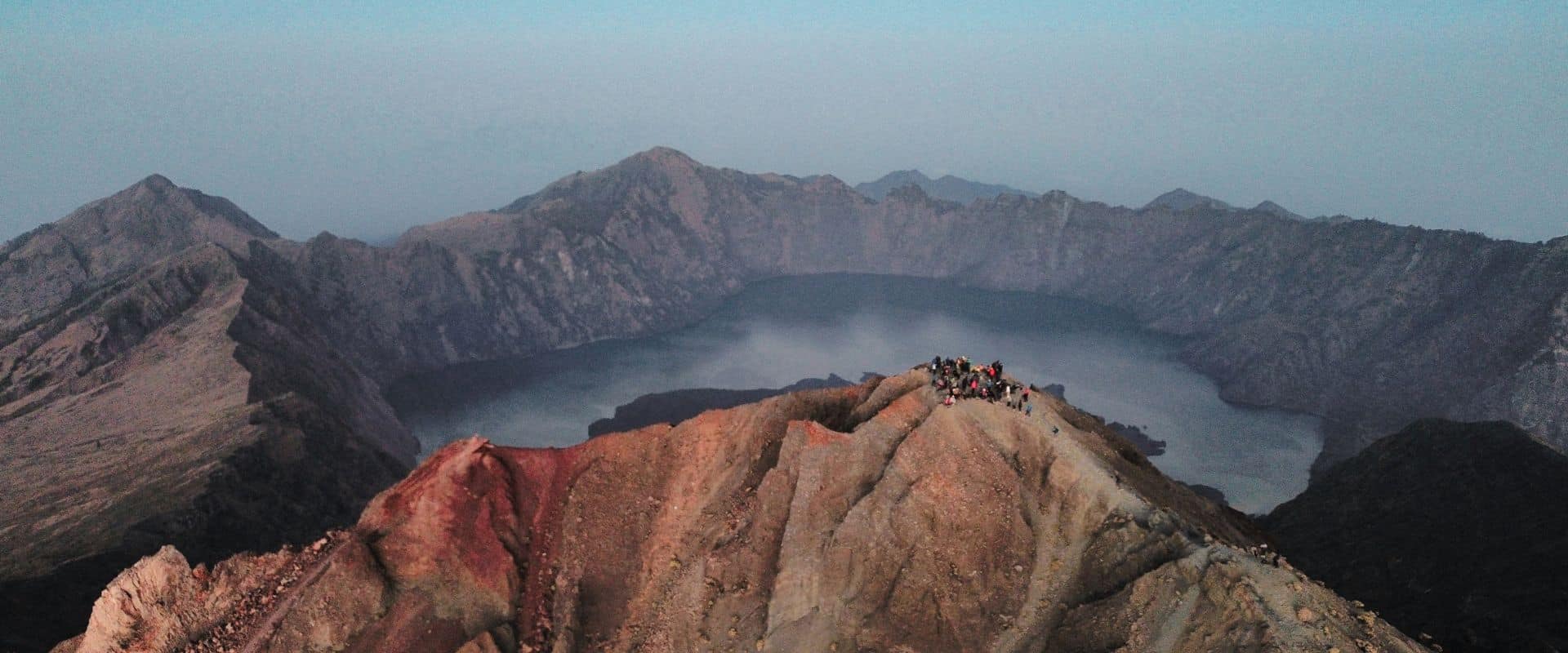
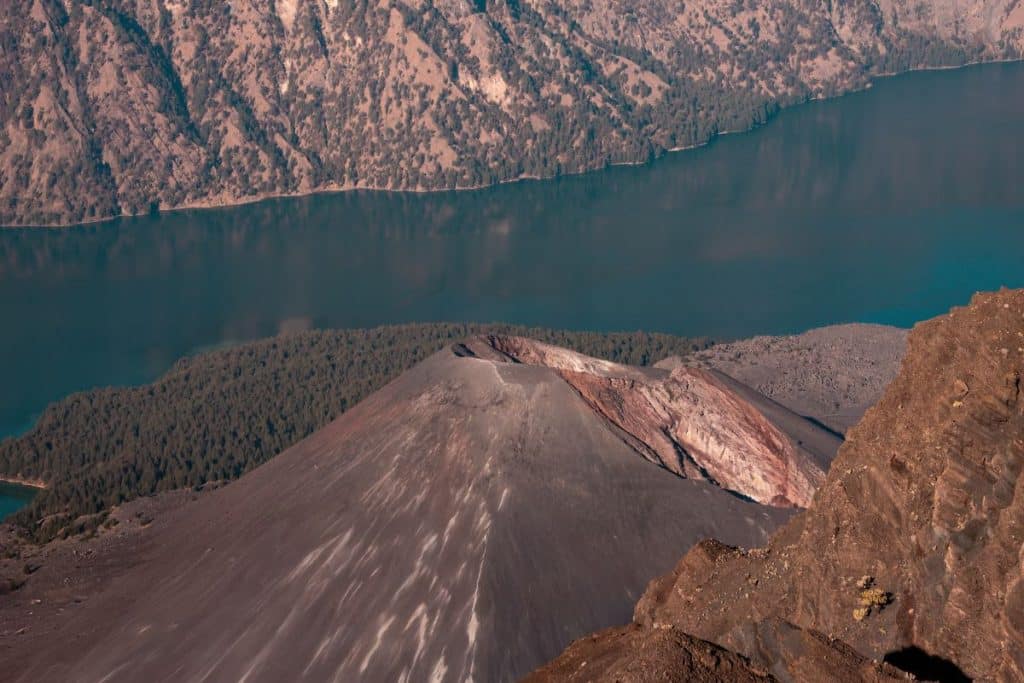
There are mountains you climb for the view, and mountains you climb because the climb itself becomes part of the story. Mount Rinjani is very much the latter. Rising to 3,726 metres above sea level, Rinjani is the second-highest volcano in Indonesia and dominates the northern half of Lombok. From a distance, it looks almost impossibly large: a broad volcanic landscape of savannah, crater walls, dark ridges and, hidden inside its caldera, the blue-green waters of Segara Anak. The mountain is not simply a summit to tick off. It is an entire landscape, shaped by eruptions, forests, volcanic rock and changing weather. The enormous caldera was formed by a much larger prehistoric eruption, while the younger Mount Barujari, rising from the crater lake, remains volcanically active. The last significant eruption occurred in 2015, when ash and lava were emitted from Barujari.
What makes Rinjani particularly memorable is the contrast between its different environments. You begin in open countryside and golden savannah, climb towards the crater rim, spend a night looking over the island, and then, depending on your itinerary, descend into the caldera towards Segara Anak and its natural hot springs. The summit itself is only one part of the experience. The lake sits at roughly 2,000 metres, surrounded by enormous volcanic walls, with Barujari rising from its eastern side. The name Segara Anak translates roughly as “child of the sea”, referring to the lake’s resemblance to the ocean.
For us, this is what makes Rinjani different from a straightforward mountain hike: you are constantly moving through a new landscape. One moment you are walking beneath a harsh sun across an exposed ridge; a few hours later you are sitting beside a crater lake, surrounded by volcanic rock. It is beautiful, but it is also a serious trek, and the better you understand it beforehand, the more you can actually enjoy it.
Everything you need to know about Rinjani
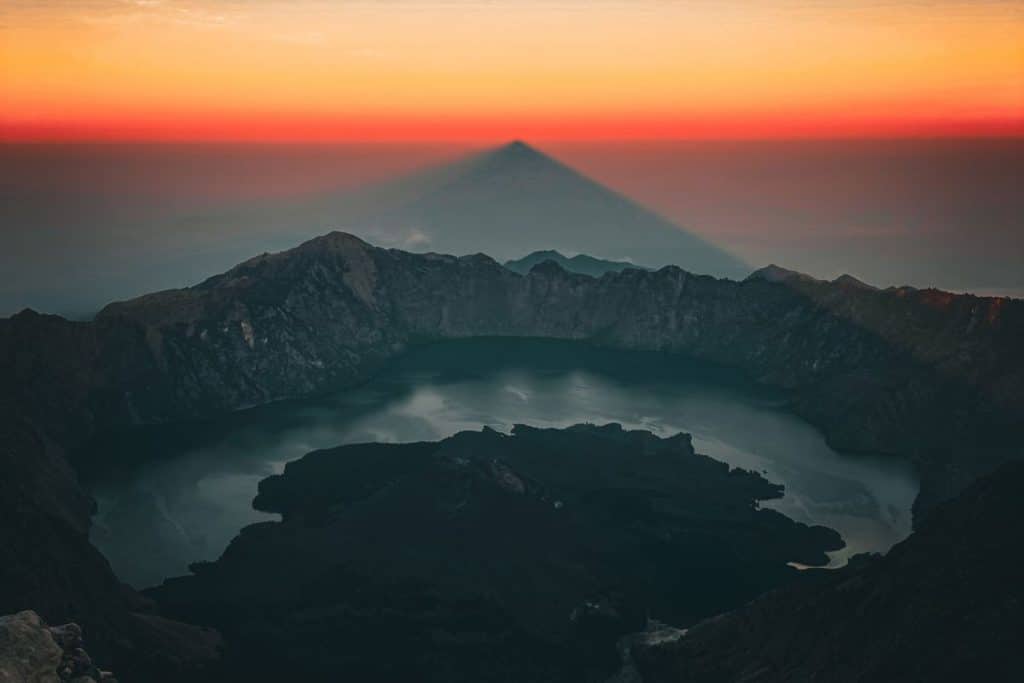
Mount Rinjani reaches 3,726 m, making it the second-highest volcano in Indonesia. The classic summit route starts from Sembalun, on the eastern side of the mountain. The first part crosses open grassland with very little shade, so the heat and sun can make the first day harder than expected. The trail becomes steeper as you approach the crater rim, where campsites sit at around 2,600 to 2,650 m. From there, the summit is another 1,000 m higher. The final ascent usually starts around 2 a.m. to reach the summit for sunrise. This is the hardest part of the trek, with loose volcanic rock and steep sections that can reach around 45 degrees. With every step, your feet can slide backwards on the volcanic scree, making the final climb much slower than expected. Rinjani is an **active volcano**, with the volcanic cone of Barujari sitting inside the crater lake. Its last significant eruption was in 2015. Trekking routes can close because of volcanic activity, weather or other safety concerns, so check the official Rinjani National Park information before your trek. Even during the dry season, conditions on the mountain can change quickly, with strong wind, cold temperatures, clouds or rain.
Segara Anak is one of the highlights of Rinjani. The crater lake sits at around **2,000 m**, surrounded by volcanic walls, with Mount Barujari rising from the lake. Reaching it means descending steeply from the crater rim, but the lake and its natural **hot springs** make the effort worthwhile. If you have the time, we recommend choosing a three or four-day trek. The two-day itinerary is possible but very intense: you climb to the crater rim on the first day, sleep for a few hours, wake around 2 a.m. for the summit and then descend on the second day. With three or four days, you can take your time, descend to Segara Anak, enjoy the hot springs and explore more of the mountain. We travelled with Rinjani Lombok Indonesia and chose their Deluxe package, which we found to be a good balance between comfort and adventure. They offer two-, three- and four-day itineraries, with longer routes including the summit, Segara Anak, the hot springs and, depending on the itinerary, the Senaru or Torean side.
Choose your guide carefully, it changes everything
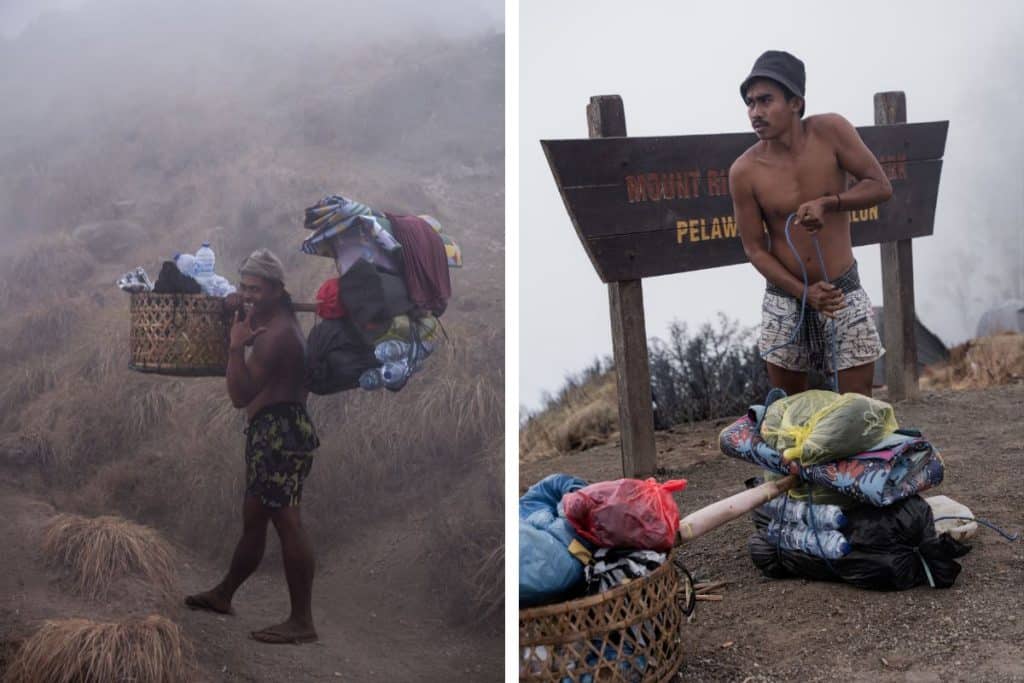
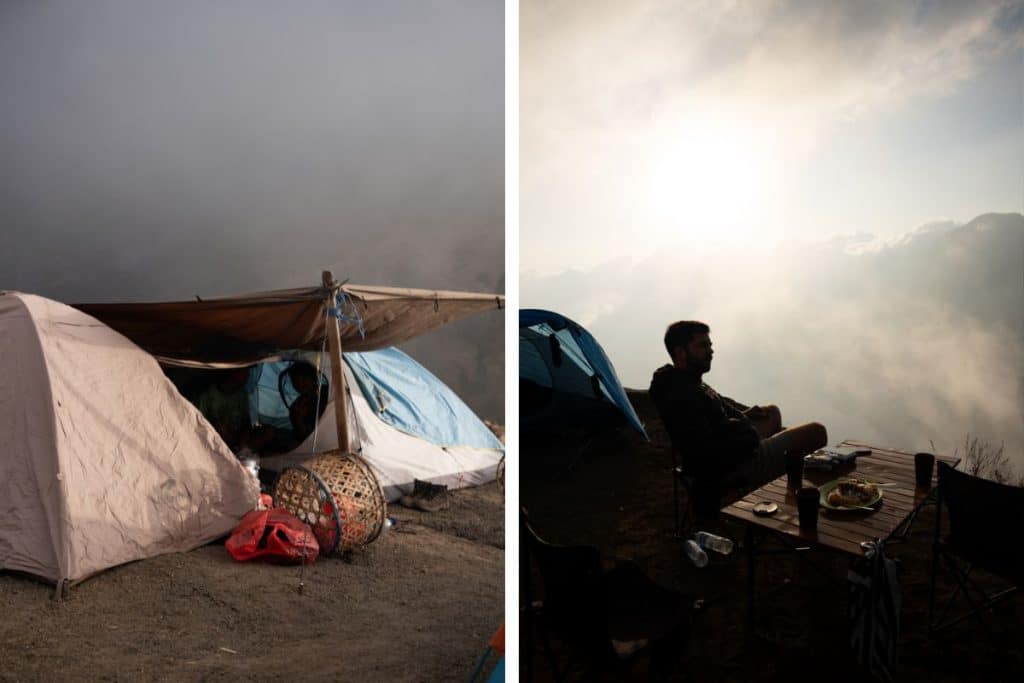
One of the biggest lessons from our trek is that choosing your trekking company matters more than you might expect. Your guide controls the pace, knows the route, understands the weather, helps during the summit push and communicates with the porters. Your camping set-up, meals, water, toilet facilities and equipment can also vary depending on the package you choose. We went with Rinjani Lombok Indonesia and chose their Deluxe package, which for us was a great balance between comfort and adventure. Their packages include different levels of service, with options for two, three or four days. We particularly appreciated having a more comfortable camp set-up after a long day of walking. When you arrive at camp exhausted, cold and covered in volcanic dust, having a proper place to sit, eat and sleep makes a real difference.
The other important decision is how many days to choose. The classic two-day, one-night summit trek is the most intense option: you hike from Sembalun to the crater rim on the first day, sleep for a few hours, wake around 1:30 to 2 a.m., climb to the summit for sunrise and then descend on the second day. The second day can mean 10 to 13 hours of walking, which is a lot after the summit push. With three or four days, you can slow down, descend to Segara Anak, spend time at the lake and hot springs, and continue through the forest instead of doing everything in one long day. We would recommend three or four days if you have the time. It does not make Rinjani easy, but it gives you more time to enjoy the mountain rather than simply focusing on reaching the top.
The trek: What the days actually feel like
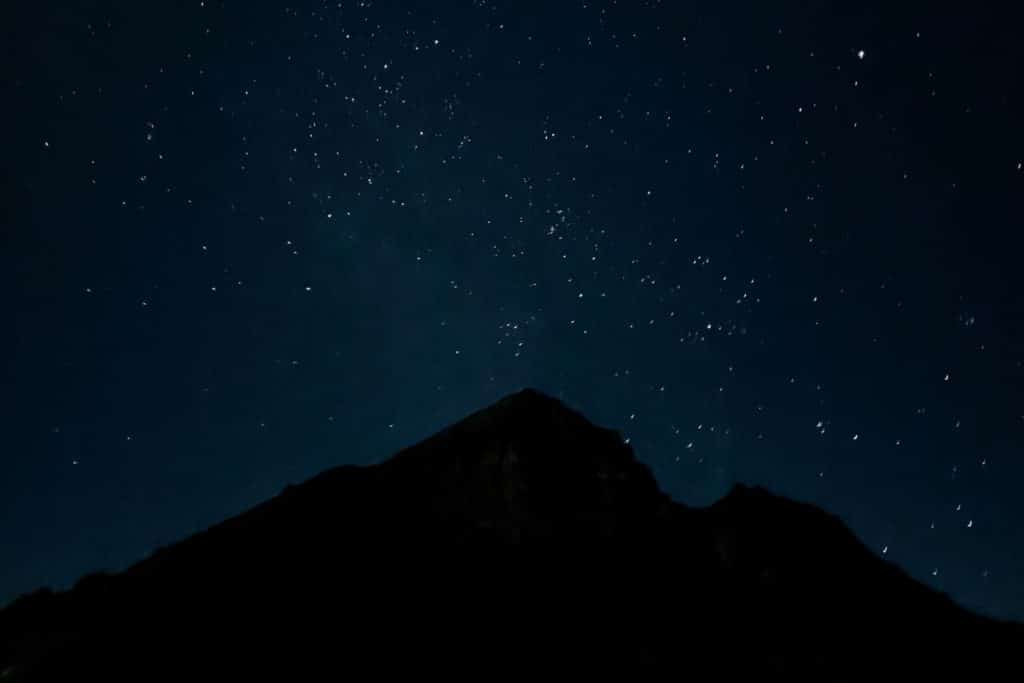
The first day starts in Sembalun, crossing open grassland with almost no shade. The walk to the crater rim takes around 5 to 7 hours, depending on your pace and breaks, and the heat can make it feel much longer. The trail becomes steeper towards the end, but arriving at camp is a reward in itself. After eating, there is time to rest and watch the sunset over Lombok. We were unlucky with strong wind that night, which made sleeping difficult, especially with an early start ahead. Around 2 a.m., we woke up for the summit push. The temperature had dropped, the trail was completely dark and the first hours were a steady climb towards the top.
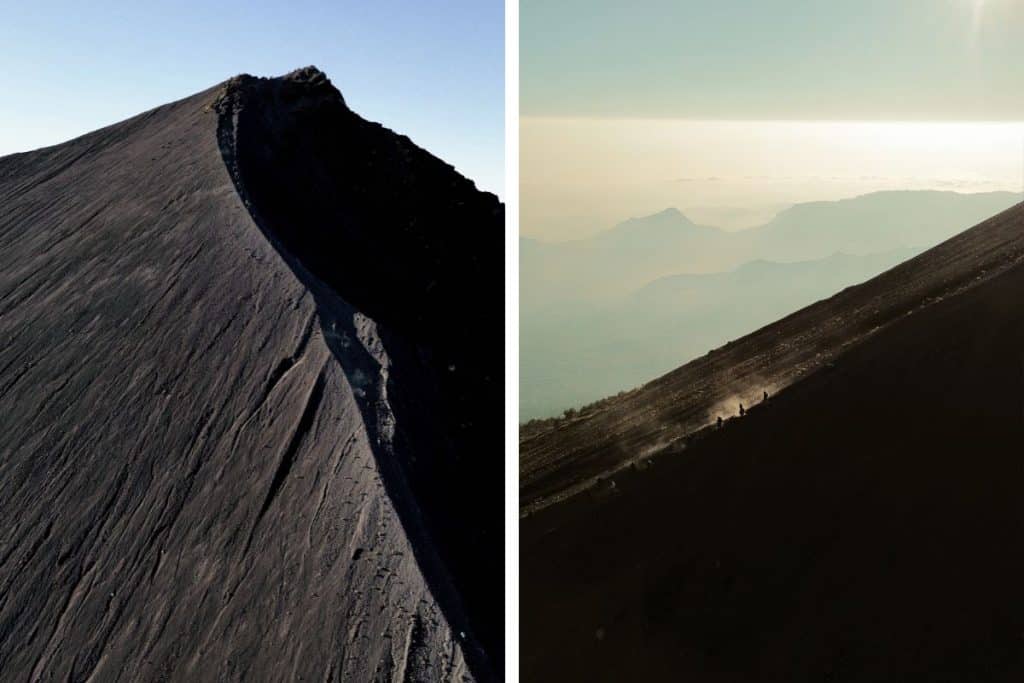
The final ascent is the hardest part of Rinjani. It takes around 3 to 4 hours, depending on your pace, and the combination of steep terrain and loose volcanic rock makes every step difficult. The ground constantly gives way beneath your feet, so you can take one step forward and slide back almost half a step. The slope becomes particularly steep towards the summit, and by this point you are tired, cold and running on very little sleep. But reaching the top just before sunrise makes the effort worth it. As the sky starts to brighten, you can see Lombok, the crater and Segara Anak lake stretching out below you. The climb may be over, but depending on your itinerary, you still have a long descent ahead.
What to bring: Our Rinjani packing list
The most important thing is not to overpack. Wear layers: a breathable T-shirt, long-sleeve layer, fleece or warm layer, and a windproof or waterproof jacket for the crater rim and summit. Bring good trekking shoes, trekking poles or a walking stick, sunscreen, sunglasses, a cap, warm gloves, a beanie and extra socks. The summit is cold, dark and windy, so warm layers are essential. A headlamp is also essential for the 2 a.m. summit push, although equipment depends on your package, so check what is included before leaving.
Also bring a small first-aid kit, blister plasters, tissues, wet wipes, a small towel, lip balm, a reusable water bottle and a power bank. Keep your phone and camera protected from dust and moisture. Do not rely on buying things on the mountain. Confirm what is included in your package, especially water, meals, tents, sleeping bags, mattresses, toilet facilities and trekking poles. With our Deluxe package, having these essentials organised made the trek much more comfortable. And do not forget earplugs if, like us, you end up camping in strong wind. Finally, carry all your rubbish back down with you.
Before you go: A few things we wish we had known
Check the mountain, not just your booking. Rinjani’s opening status can change because of volcanic activity, weather, fire risk or trail conditions. Check the official park information shortly before departure.
Train, but don’t overthink it. You do not need to be an experienced mountaineer, but you should be comfortable walking for several hours and climbing continuously. The two-day summit trek is particularly demanding, so some long uphill walks beforehand will help.
Take the weather seriously. Lombok can be hot at lower elevations, while the crater rim and summit can be very cold and windy. Bring layers and proper protection from the wind.
Don’t underestimate the lack of sleep. On a two-day trek, you may arrive at camp after several hours of walking, sleep for only a few hours, wake around 2 a.m. for the summit and then continue descending for the rest of the day.
Altitude is not the only challenge. At 3,726 m, altitude can affect some people, but the steep terrain, heat, cold, loose rock, elevation gain and lack of sleep all add to the difficulty. If you feel seriously unwell or unable to continue safely, tell your guide.
Choose your guide carefully. Your experience can vary greatly depending on the organisation, guide, porter team, food, equipment and pacing. We chose Rinjani Lombok Indonesia and their Deluxe service, which offered a good balance between comfort and adventure. Their packages range from the intense two-day summit trek to longer three- and four-day itineraries including the lake and hot springs.
Rinjani is not an easy mountain, and the climb will test you in ways you may not expect. The heat, steep terrain, loose volcanic rock, cold, wind and lack of sleep all add to the challenge. But somewhere above 3,700 metres, when the sky begins to change and Lombok appears below you, the exhaustion becomes almost irrelevant. That sunrise is the moment you came for.
If you have the choice, we would choose three or four days rather than two. The longer itinerary gives you time to enjoy Segara Anak, the hot springs and the different landscapes instead of rushing from one stage to the next. Rinjani is not simply about reaching the summit. It is about everything you cross to get there.
If you have the choice, we would choose three or four days rather than two. The two-day itinerary is perfect for someone with limited time who is determined to reach the summit, but it is intense enough that much of the mountain becomes something you endure rather than something you experience. With more time, Rinjani becomes slower and more complete: the summit, the lake, the hot springs, the crater walls, the forest and the quiet moments around camp. And perhaps that is the best way to approach Rinjani in the first place. Not as a race to 3,726 metres, but as a few days spent moving through one of Indonesia’s most extraordinary volcanic landscapes.
Rinjani is not simply about reaching the top. It is about everything you cross to get there.